
Concrete Pool Construction Decoded: What Your Investment Actually Buys
Building a concrete pool is a major commitment that can transform your outdoor space into a private, high-end retreat. This article breaks down the realities of concrete pool construction so you can see exactly where your money goes. You’ll get clear guidance on cost drivers, build quality, maintenance, long-term value, plus custom design and luxury options. Armed with this knowledge, homeowners can compare quotes, set realistic budgets, and choose features that deliver lasting enjoyment and value.


Cost Factors
Several key cost drivers shape the final price of a concrete pool. Knowing these early helps you budget accurately and avoid surprises. The main areas to watch are site preparation, design complexity, and permits; each can move the needle on cost and schedule.
- Site Preparation Costs: Depending on soil conditions and site access. Thorough site preparation is essential to create a stable, long-lasting foundation.
- Design Complexity Costs: If you choose intricate shapes or bespoke features, custom elements lift the look but will increase time and materials.
- Permit Costs: Building and safety permits are necessary legal steps and should be included in your overall budget.
Understanding these components lets homeowners plan more confidently and build contingencies into their budgets rather than being caught off guard.
Construction Quality
Construction quality determines how well a concrete pool performs over decades. High-grade materials, correct structural detailing, and experienced tradespeople are non-negotiable if you want a durable, attractive pool.
A properly built concrete shell is robust and repairable, providing a reliable base for finishes and equipment. Choosing reputable builders who follow proven methods and use quality materials protects your investment and reduces future repair costs.


Maintenance Requirements
Keeping a concrete pool in top condition requires routine care and seasonal attention. Regular cleaning, water chemistry management, and timely servicing of equipment prevent issues and extend your pool’s life.
- Regular Maintenance Tasks: Weekly cleaning, skimming, vacuuming, and filter maintenance keep water clear and equipment running efficiently.
- Importance of Chemistry Control: Consistent testing and chemical adjustments prevent algae, protect finishes, and ensure safe swimming conditions.
- Seasonal Preparations: Actions like winterising or preparing for hot-weather use protect the structure and equipment through changing seasons.
Following a simple maintenance routine helps preserve water quality and reduces the likelihood of costly repairs down the line.
Long-Term Benefits
A well-designed and built concrete pool delivers benefits beyond immediate enjoyment. It enhances lifestyle and, when done right, can increase the curb appeal and marketability of your home.
- Enhancement of Property Value: A quality concrete pool can increase property appeal and contribute to resale value when it aligns with the home and neighbourhood.
- Creation of Luxurious Outdoor Spaces: Thoughtful design, landscaping, and lighting turn a pool into an outdoor living space that feels like an extension of the home.
- Durability and Longevity: With proper construction and maintenance, concrete pools can last for decades, making them a long-term investment.
These long-term advantages make concrete pools a compelling option for homeowners seeking both enjoyment and enduring value.

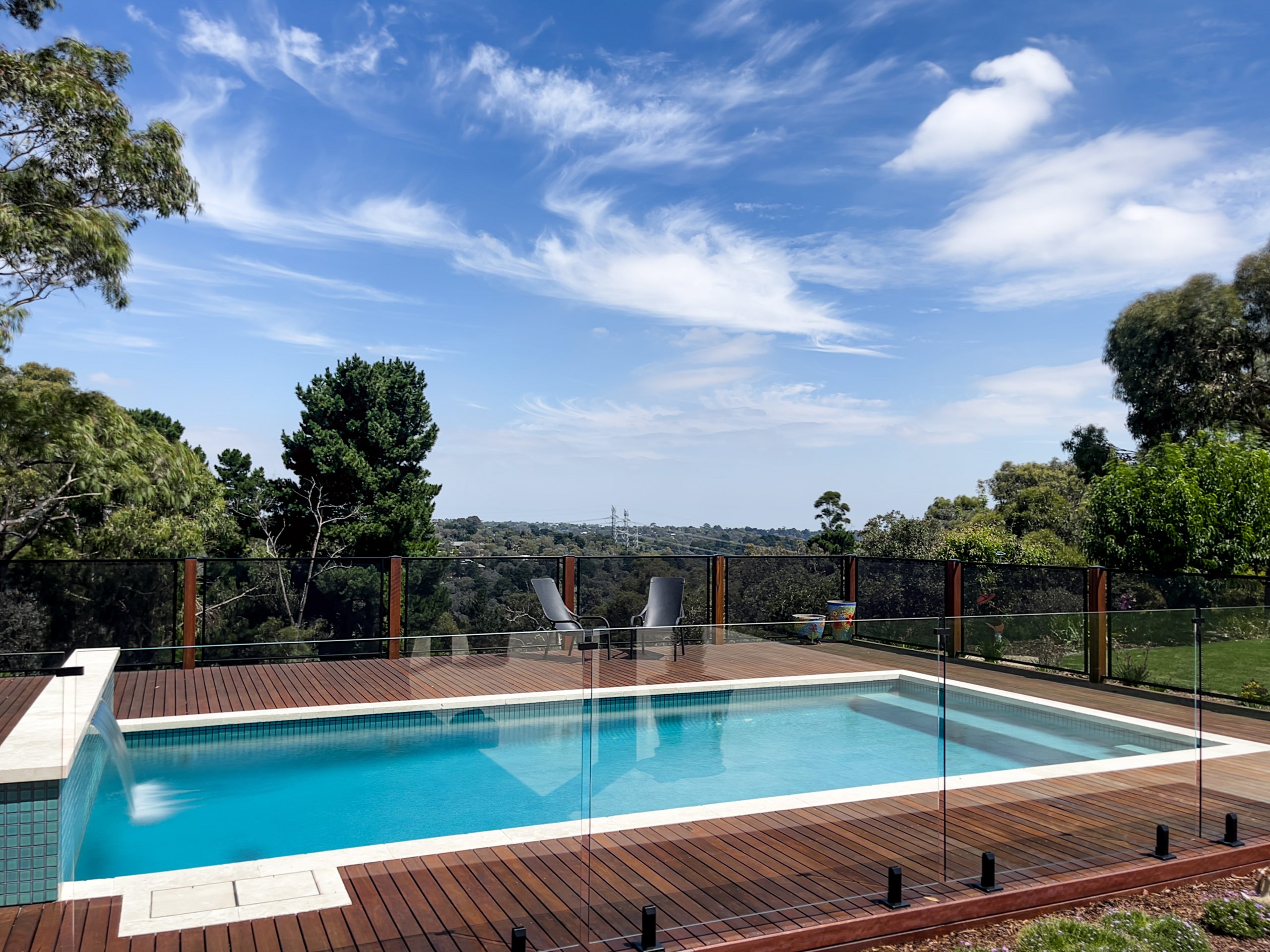
What Are the Custom Swimming Pool Design Options Available?
Concrete pools offer wide design freedom, so you can tailor form and function to your lifestyle. From compact plunge pools to sweeping infinity edges, there’s a style to suit every space and use.
- Styles of Pools Available: Options include infinity pools, lap pools, plunge pools, and indoor pools, each of which delivers different aesthetics and practical benefits.
- Features That Can Be Included: Elements like waterfalls, LED lighting, and integrated spas add atmosphere and comfort to the pool experience.
- Materials Used in Construction: Tiles, coping choices, and finish materials strongly influence the pool’s look, feel, and maintenance profile.
Exploring these options lets you design a pool that meets practical needs while reflecting your personal style.
Which Features Define Luxury Custom Pool Designs?
Luxury pools stand out through distinctive design, exceptional finishes, and integrated amenities that turn a backyard into a resort-style space. Attention to detail is what separates a good pool from a spectacular one.
- Unique Designs and Customisation: Bespoke shapes, coordinated landscaping, and architectural detailing create a signature look tailored to your home.
- Quality Craftsmanship: Skilled tradespeople and careful installation ensure finishes and features are executed precisely and last longer.
- Integrated Features: Swim-up bars, outdoor kitchens, advanced lighting, and automated controls enhance comfort and usability.
These features combine to deliver a seamless, luxurious experience that complements premium outdoor living.
How Does Site Condition Influence Pool Design Choices?
The site itself, its soil, slope, and access, will dictate many practical design choices. A design that ignores site conditions risks delays, extra costs, and long-term performance problems.
- Impact of Soil Conditions: Soil type affects structural detailing; sandy soils may need reinforcement, while clay or reactive soils often require drainage or specialist engineering.
- Access Considerations: Tight access can restrict machinery and materials, influencing build methods and potentially increasing costs.
- Design Adaptations: Designers may adjust depth, shape, or structural approach to fit the landscape and reduce unnecessary excavation.
Factoring site conditions into the early design stages produces a safer, more cost-effective, and visually successful pool.
What Is the Concrete Pool Construction Process Step-by-Step?
The build process follows clear phases that shape timeframes and costs. Knowing these steps helps set realistic expectations and spot potential bottlenecks.
- Excavation Process: The build starts with excavation to form the pool’s profile. This stage typically takes 1–3 weeks, depending on size and ground conditions.
- Steel Fixing and Services: Steel reinforcement is installed alongside plumbing and electrical conduits to provide structural strength and service routing, usually taking around a week.
- Final Commissioning: After the concrete is poured and cured, finishes, tiling, and landscaping are completed. Final commissioning, testing, and handover commonly take 2–5 weeks, depending on complexity.
Understanding the sequence and typical durations helps homeowners plan around construction and avoid unrealistic timelines.


What Are the Key Construction Phases from Excavation to Finishing?
Each phase of construction is important to the pool’s performance and finish. Awareness of the stages helps you monitor progress and ensures quality at every handover point.
- Excavation Duration: Excavation generally lasts 1–3 weeks, depending on size and ground conditions. Accurate excavation sets the foundation for everything that follows.
- Steel Fixing Timeline: Installing reinforcement and service lines typically takes about a week and is critical for structural integrity.
- Finishing Touches: Tiling, paving, and landscaping form the last phase and usually take 2–5 weeks, depending on design detail and site access.
Knowing these phases helps homeowners manage expectations and coordinate other trades like landscaping or fencing.
How Does Expert Craftsmanship Ensure Pool Longevity?
Experienced builders and proven methods are central to a pool that performs well for decades. Craftspeople who understand concrete behaviour and finishing techniques reduce future problems.
- Importance of Skilled Labor: Qualified trades ensure structural details, waterproofing, and finishes are completed correctly, reducing callbacks and long-term maintenance.
- Material Quality: Specifying high-grade materials for concrete mixes, reinforcement, and finishes improves durability and appearance over time.
- Construction Methods: Correct curing, reinforcement placement, and waterproofing techniques all contribute to long-term structural integrity.
Prioritising expert workmanship today lowers the chance of costly repairs later and preserves your pool’s value.
How Is the Concrete Pool Cost Broken Down for Melbourne Homeowners?
For Melbourne homeowners, understanding the factors that influence concrete pool construction helps in making informed decisions. Design complexity, material quality, labour, and permitting all play roles in shaping the project. Additionally, local site conditions and regulations can affect the approach and requirements for your pool.
- Main Influencing Factors: Design complexity, material quality, and labour are key considerations that impact the construction process and outcomes.
- Additional Considerations: Site access, ground conditions, and council requirements may influence construction methods and timelines.
- Planning and Prioritisation: Being aware of these factors helps homeowners prioritise features and make choices that align with their goals and expectations.
Having a clear understanding of these components supports better communication with builders and more confident decision-making throughout the project.
What Are the Main Cost Components: Design, Materials, Labour, and Permits?
Breaking down the construction process into clear categories helps you understand where attention is needed and where adjustments can be made to suit your preferences and project scope.
- Design Complexity: More intricate designs require additional time, specialised labour, and materials, which influence the construction approach.
- Site Preparation: Preparing the site involves ground work to create a safe and stable base for the pool structure.
- Permitting: Securing building and safety permits is essential to ensure legal compliance and project approval.
Clarifying these aspects makes it easier to evaluate proposals and decide on features and upgrades that best meet your needs and expectations.
How Does Transparent Pricing Benefit Your Investment Decision?
Transparent pricing builds trust and helps you make smarter choices. When suppliers show detailed breakdowns, you can spot savings and avoid unexpected costs.
- Clarity on Costs: A clear quote explains what you’re paying for and why, reducing the chance of hidden fees.
- Identifying Potential Savings: Itemised pricing highlights where you can simplify or phase out features to meet budget goals without sacrificing quality.
- Avoiding Unexpected Expenses: Transparency reduces surprises during construction and helps keep the project on time and on budget.
Insisting on transparent quotes gives you control and confidence throughout the build process.
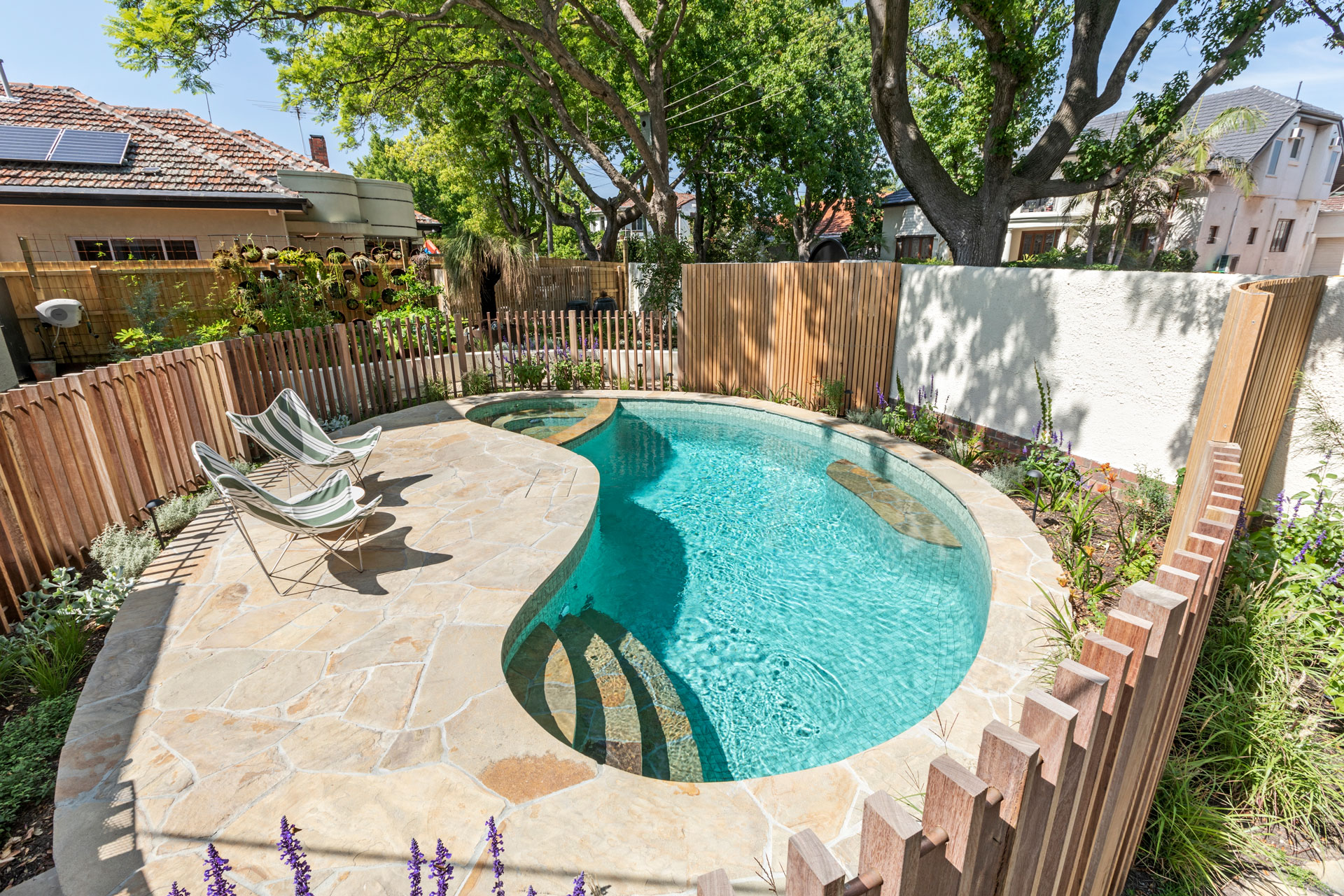
How Can Spa and Pool Installation Be Integrated Seamlessly?
Integrating a spa with your concrete pool creates a cohesive, multi-use outdoor area. Good integration requires early planning so systems, water flow, and aesthetics work together.
- Design Considerations: Planning plumbing, levels, and heating early ensures the spa and pool function as one harmonious system.
- Benefits of Integration: A combined spa and pool adds year-round usability and a premium touch that enhances enjoyment and value.
- Cost Implications: Integrating a spa adds initial cost, but the convenience and lifestyle benefits often justify the investment.
When planned correctly, an integrated spa becomes a subtle and valuable extension of the pool area.
What Customisation Options Are Available for Spa Integration?
Spa integration offers flexibility in form and function. Choices you make at the design stage determine comfort, appearance, and maintenance needs.
- Design Flexibility: Options include built-in spas, spillover designs, and standalone units, depending on space and desired effect.
- High-End Features: Lighting, water features, and dedicated heating systems enhance ambience and comfort.
- Durability: Selecting robust materials and proven construction methods ensures the integrated spa remains reliable over time.
Careful selection of features and finishes ensures the spa complements the pool while meeting long-term performance expectations.

What Are the Benefits of Combining Spas with Concrete Pools?
Adding a spa to a concrete pool extends how and when you use your outdoor space. It also brings wellness benefits and can increase the property’s appeal.
- Year-Round Enjoyment: A spa provides comfortable water temperature and relaxation regardless of the season.
- Health and Wellness Benefits: Thermal therapy eases muscles and reduces stress, making a spa a valuable wellness feature.
- Increased Property Value: An integrated spa can boost the overall attractiveness and perceived value of your outdoor living area.
These advantages make spa integration an attractive option for homeowners seeking both lifestyle and long-term value.
What Local Regulations and Safety Standards Affect Pool Construction in Melbourne?
Local rules and safety standards are a critical part of any pool project. Complying with council requirements protects you legally and keeps people safe.
- Approval Necessity: Securing council approvals before construction starts is mandatory and ensures the project meets local building and safety standards.
- Documentation Required: Typical requirements include site plans, engineering reports, and detailed specifications to support permit applications.
- Child Safety Measures: Regulations commonly require barriers, locks, and covers to prevent unsupervised access and protect children.
Understanding and meeting these requirements early smooths the approval process and keeps your build on track.

Which Victorian Pool Safety Regulations Must Homeowners Know?
Victorian regulations set clear expectations for pool safety and ownership responsibilities. Familiarity with these rules helps ensure compliance and safety for your family.
- Registration Requirements: Owners must register pools with the relevant local authority so safety standards can be monitored and enforced.
- Safety Barriers: Approved fencing and self-closing gates are typically required to limit unauthorised access.
- Inspection and Maintenance: Regular checks and maintenance of barriers and safety equipment are necessary to remain compliant.
Adhering to these rules protects your household and avoids penalties associated with non-compliance.
How Do Local Permits Impact Your Pool Construction Timeline?
Permits influence when work can start and how long the overall project will take. Factoring permit timelines into your schedule avoids avoidable delays.
- Building Permit Requirements: Building permits usually take 2–6 weeks to process, depending on council workloads and the completeness of your application.
- Planning Permit Considerations: Some sites require additional planning approvals, which can extend the lead time for construction.
- Common Causes of Delays: Incomplete documentation, site constraints, or unexpected engineering issues are frequent causes of permit-related delays.
Allowing for permit processing in your project timeline helps keep construction on schedule.
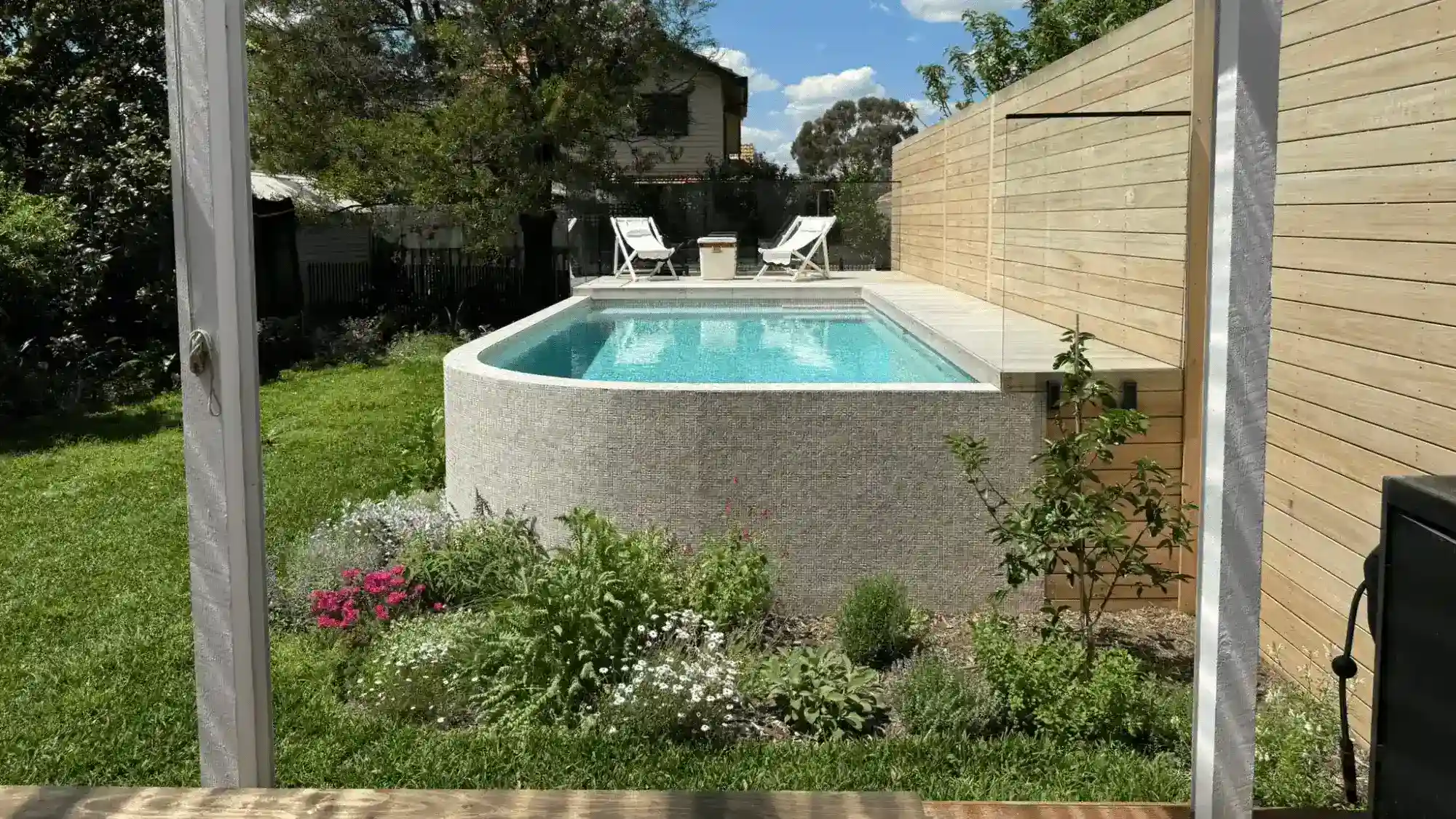
How Do Energy Efficiency and Sustainable Technologies Enhance Your Pool Investment?
Selecting the right systems can make a big difference to running costs and reliability. Aim for equipment that balances performance with energy savings.
- Heating Systems: Solar heaters and heat pumps provide effective temperature control with much lower energy use than traditional gas heaters.
- Filtration Systems: Variable-speed pumps and high-efficiency filters improve circulation while reducing power consumption.
- Automation Systems: Smart controls allow scheduling and remote operation to optimise energy use and simplify maintenance.
Well-chosen systems deliver a better experience with lower ongoing costs.
What Energy-Efficient Systems Are Recommended for Concrete Pools?
Selecting the right systems can make a big difference to running costs and reliability. Aim for equipment that balances performance with energy savings.
- Heating Systems: Solar heaters and heat pumps provide effective temperature control with much lower energy use than traditional gas heaters.
- Filtration Systems: Variable-speed pumps and high-efficiency filters improve circulation while reducing power consumption.
- Automation Systems: Smart controls allow scheduling and remote operation to optimise energy use and simplify maintenance.
Well-chosen systems deliver a better experience with lower ongoing costs.
How Do Sustainable Pool Technologies Reduce Long-Term Costs?
Sustainable technologies cut operational expenses and maintenance effort, creating financial and environmental benefits over time.
- Reduced Maintenance Costs: Advanced filtration and water-management systems reduce chemical use and extend service intervals.
- Energy Savings: Efficient pumps, heating, and automation can noticeably lower electricity bills.
- Environmental Benefits: Using eco-friendly materials and water-saving measures minimises the pool’s footprint and supports sustainability goals.
Investing in sustainability is both an economical and responsible choice for modern pool ownership.
Conclusion
A thoughtfully planned concrete pool adds lifestyle, beauty, and long-term value to your property. By understanding cost drivers, build quality, maintenance needs, and design choices, you can make decisions that protect your investment and deliver lasting enjoyment. If you’re ready to explore options or get a tailored quote, our team of experts can help you design a pool that meets your needs and stands the test of time.