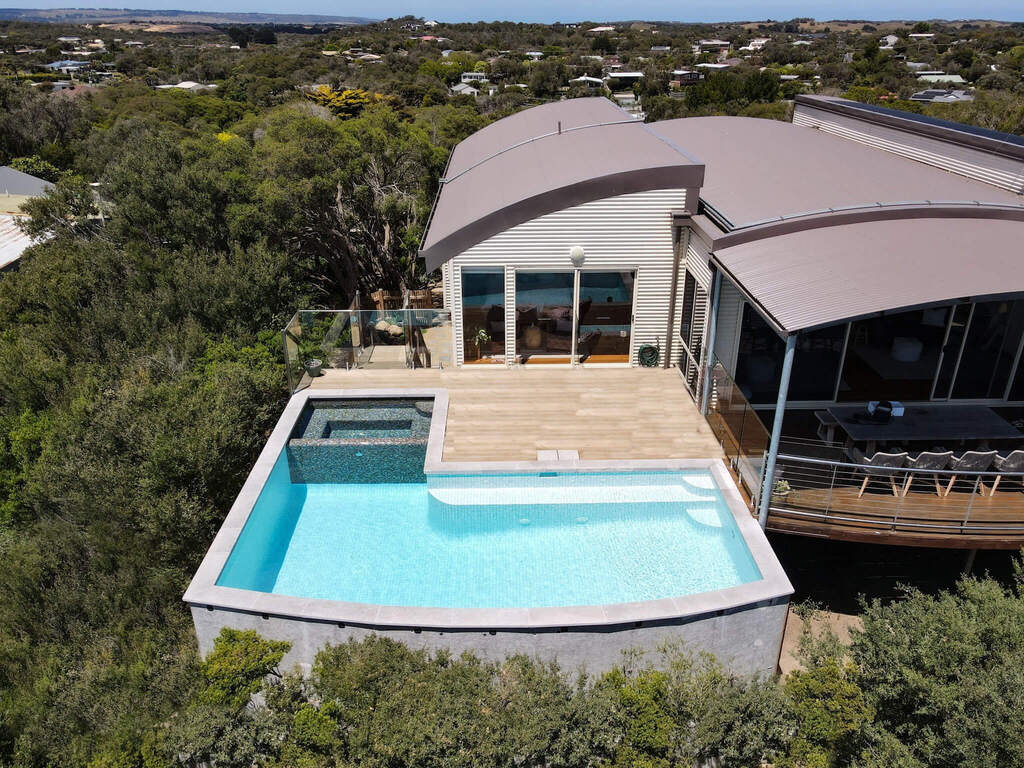
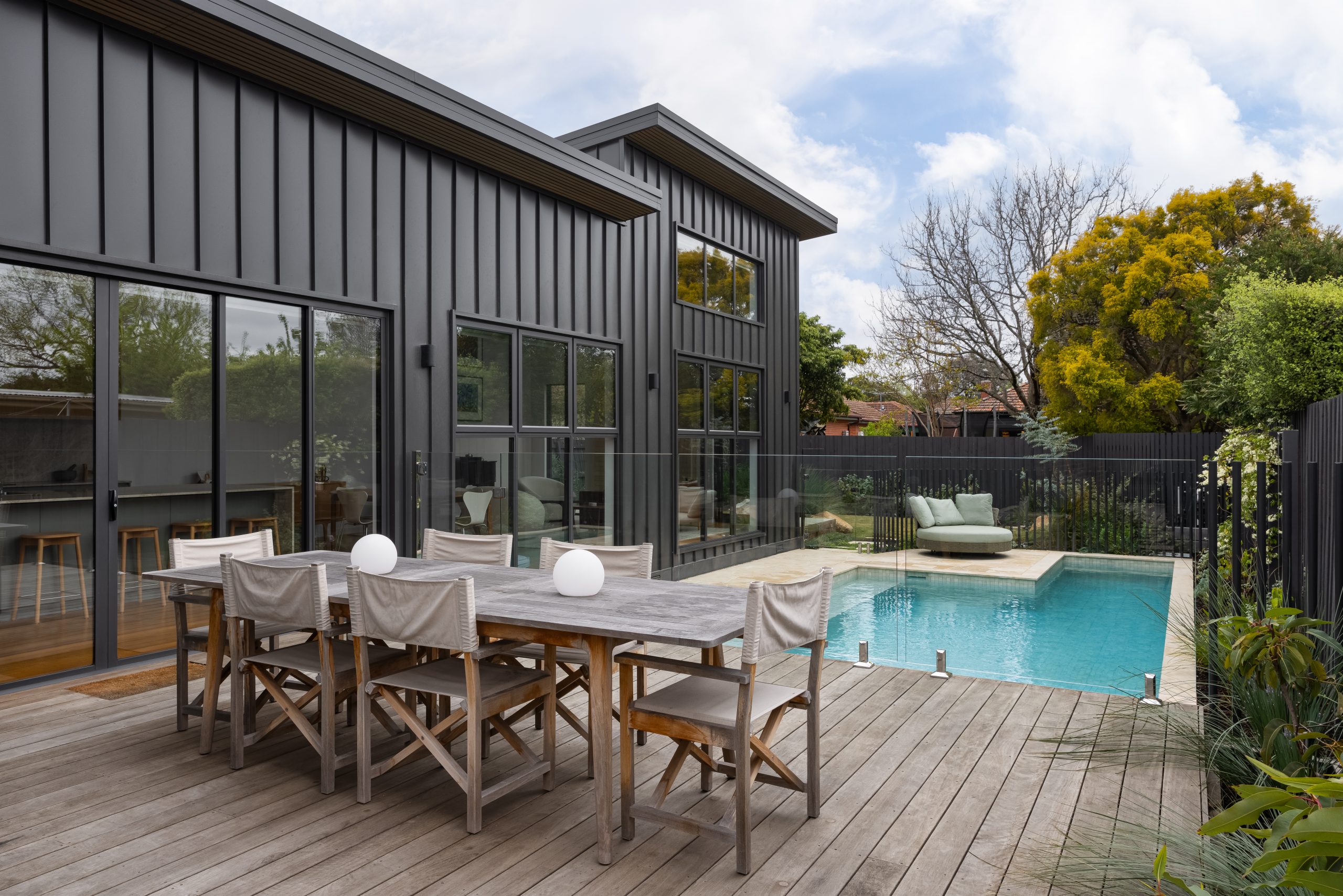
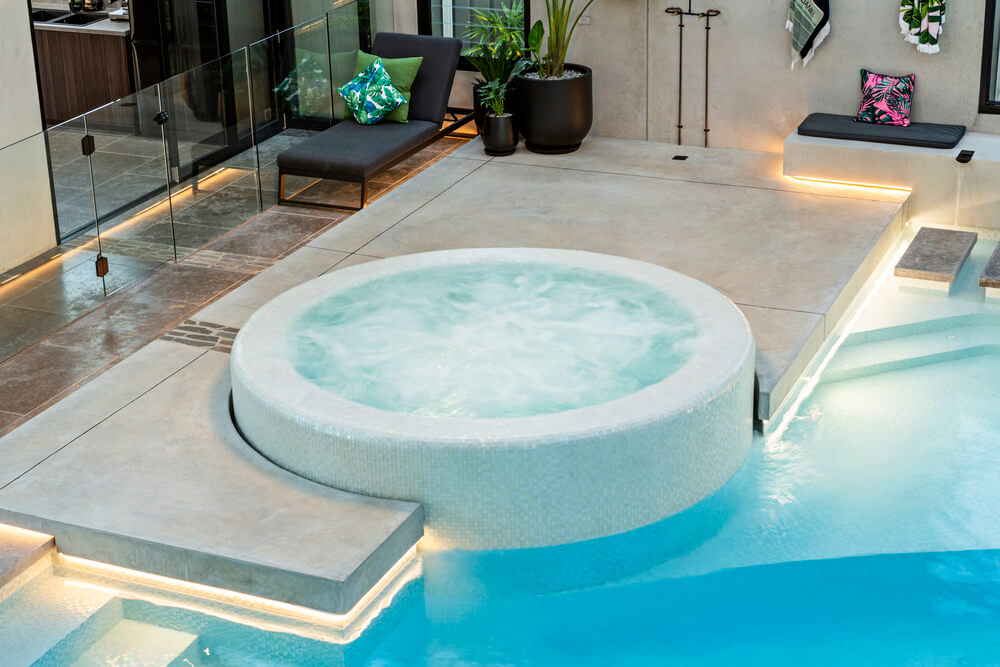
Custom concrete pools deliver a bespoke, enduring focal point for Melbourne homes by combining architectural integration, premium finishes, and long-term structural resilience. This guide explains how concrete pool builders Melbourne work with homeowners, designers, and engineers to plan pools that extend living space, suit lifestyle needs, and increase property value while meeting local regulations and site constraints.
Many owners find the planning process overwhelming. From site assessment and 3D visualisation to budgeting and construction scheduling, this article breaks the process into clear, actionable steps and practical design choices. You will learn the benefits of concrete over alternative shells, a step-by-step planning checklist with typical timelines, the luxury pool types suited to Melbourne sites, a cost guide with typical price ranges, how reputable builders manage the construction process, and principles for integrating pool and landscape design.
Throughout, semantic insights and technical terms like ‘shotcrete shell’, ‘steel reinforcement’, ‘acrylic windows’, and ‘pool automation systems’ are used to help you compare options and make informed decisions when engaging concrete pool builders in Melbourne.
What Are the Benefits of Choosing Custom Concrete Pools in Melbourne?

Custom concrete pools offer unmatched design freedom, structural strength, and finish options that suit luxury residential projects in Melbourne. Concrete shells formed with shortcrete and reinforced steel allow complex shapes, infinity edges, and integrated spas while providing a durable structure that, when waterproofed and maintained correctly, can last decades.
This structural advantage supports high-end finishes such as ceramic mosaic, glass mosaic, crystal glass, and natural stone, and specialist features such as acrylic windows and engineered water features, all of which elevate the pool as an architectural element. The following subsections unpack the durability and design benefits, then show how these translate into lifestyle and property outcomes.
Concrete pools deliver several practical benefits for Melbourne homeowners:
- Durability and Longevity: Reinforced shotcrete shells resist ground movement and provide a long service life when waterproofed and maintained.
- Design Freedom: Custom shapes, vanishing edges, and integrated spas allow pools to match contemporary or traditional architecture precisely.
- Premium Finish Options: High-end tiling and stone finishes create a lasting aesthetic that outperforms many composite alternatives.
- Feature Compatibility: Complex elements like acrylic windows, infinity edges, and bespoke water features are feasible with concrete construction.
- Value Addition: Thoughtful design and high-quality finishes typically increase enjoyment and can enhance resale appeal.
These benefits make concrete the preferred choice for luxury and bespoke projects in Melbourne, and they lead naturally into the technical reasons concrete outperforms alternatives for high-end installations.
Why Are Concrete Pools the Best Choice for Luxury and Durability?
Concrete pools achieve luxury-grade durability through a combination of steel reinforcement and shotcrete application, which together form a monolithic shell that can be engineered for challenging sites. This construction method permits structural tuning for load-bearing walls, retaining conditions, and elevated infinity edges, and it supports heavy finishes that would stress lighter shells.
A well-constructed concrete pool also accepts a wide range of finishes. Full ceramic mosaic to clipped natural stone allows the visual appearance to be renewed or repaired without compromising the shell. Understanding these structural advantages helps homeowners prioritise budget items that protect long-term value and reduce lifecycle maintenance demands.
Shotcrete Technology: Materials, Performance, and Applications in Concrete Construction
Shotcrete is a method of applying concrete pneumatically. The material is projected at high velocity onto a prepared surface. The high velocity impact compacts the material and results in a dense, low-permeability concrete. Shotcrete is used for a variety of applications, including structural repair, new construction, and architectural finishes.
Shotcrete: materials, performance, and use, 2022
This structural reliability transitions to how bespoke design choices allow the pool to reflect the home and lifestyle priorities of Melbourne owners.
How Do Custom Designs Reflect Your Lifestyle and Home Architecture?
Custom concrete design lets you align pool form and features with daily use whether that’s lap swimming, year-round heated relaxation, or entertaining with an integrated outdoor kitchen and water features. Architects use bespoke proportions, edge treatments, and finishes to complement facade materials and sightlines; for example, an elevated site favours an infinity edge, while narrow urban plots suit plunge or geometric pools.
Feature selection, such as bench seating, spa integration, lighting scenes, and automation, should reflect how the family will use the space, balancing maintenance and operational cost with experiential value. With clear briefs and 3D renderings, homeowners can preview finishes and circulation before construction begins, ensuring the final pool suits both aesthetic and functional goals.
| Benefit | Why it matters | Example outcome |
| Durability | Strong shell resists settlement and accommodates heavy finishes | Decades-long structure requiring only surface refreshes |
| Design freedom | Custom shapes and edges integrate with architecture | Infinity edge that aligns with house sightlines |
| Finish flexibility | Wide range of tiles and stone for bespoke aesthetics | Full glass-mosaic interior for luxury sheen |
| Feature compatibility | Complex elements supported by an engineered shell | Acrylic window and internal spa integration |
This mapping highlights how each technical benefit produces a practical homeowner outcome in Melbourne contexts, guiding budget and design priorities for bespoke projects.
Striking Pools Pty Ltd, a multi-award-winning luxury pool builder based in Melbourne’s north-eastern suburbs, specialises in custom concrete swimming pools and spas and offers integrated landscape design and site assessments that translate these benefits into deliverable projects. Their integrated approach validates the points above and provides a local option for owners ready to explore bespoke designs and high-quality finishes.
How Do You Plan Your Dream Concrete Pool: Step-by-Step Guide for Melbourne Homeowners?

Planning a custom concrete pool begins with a clear brief and a structured sequence of site assessment, design development, approvals, and pre-construction decisions that reduce risk and control cost. Early-stage collaboration with designers and engineers produces accurate 3D renderings, an itemised specification for finishes and equipment, and a realistic construction timeline that reflects site access and any retaining or stormwater requirements.
A methodical plan reduces surprises during excavation and shotcrete works and helps prioritise features that deliver the most value for the homeowner’s budget and lifestyle. The section below breaks the planning process into actionable steps with typical durations and homeowner actions.
Plan your project using these sequential steps:
- Define your brief and budget: clarify pool purpose, preferred finishes, and an initial budget range to guide design decisions.
- Site assessment and feasibility: Arrange an on-site inspection to record slopes, services, access, vegetation, and boundary constraints.
- Concept design and 3D renders: Work with designers to produce scaled plans and 3D visualisations for material and lighting choices.
- Engineering and approvals: Commission structural engineering, fence and safety compliance reviews, and lodge required permits.
- Construction planning and staging: Agree on payment milestones, construction access, and a timeline for excavation through commissioning.
These steps form a practical project roadmap: early decisions shape later costs and enable more accurate staging of trades and equipment delivery, which reduces costly change orders during construction.
What Happens During the Initial Consultation and Site Assessment?
During the initial consultation, builders assess the site to identify constraints and opportunities that directly affect design and cost, including slope, existing drainage, underground services, and access for plant and materials. Homeowners should prepare site plans, any existing survey data, a clear indication of preferred finishes, and a realistic budget range to ensure the assessment can focus on feasible options.
The consultant typically documents soil and access challenges and discusses staging options for excavation and spoil removal, estimating likely costs for temporary works and retaining structures. A thorough site assessment informs engineering scope, helps set realistic timelines, and forms the basis for a detailed quote.
This clarity from the site assessment informs the subsequent design phase and the selection of finishes, equipment, and specialist features.
How Does the Design Process Incorporate Materials, Features, and 3D Renderings?
Design development translates the brief into a coordinated specification of shell geometry, pool finishes, plant equipment, and features like infinity edges, water features, or acrylic panels, and it uses 3D renderings to visualise materials and lighting under different conditions. Designers present finish samples, ceramic mosaic, glass mosaic, or natural stone, and outline trade-offs between appearance, maintenance, and cost; equipment specifications address filtration, heating, and automation needs for efficient operation.
Iterative 3D renders give homeowners confidence in proportions and sightlines and reduce the chance of late-stage changes during construction. Finalised designs are then costed and scheduled, forming the basis for the construction contract and permit submissions.
If you are ready to move from planning to an actionable proposal, request a personalised consultation or 3D design render; Striking Pools offers consultation and site-assessment services to produce tailored plans and detailed cost estimates. This step helps translate the guide above into a project-specific quote and build a strategy.
What Types of Luxury Concrete Pools Can You Build in Melbourne?

Melbourne homeowners can choose from a range of luxury concrete pool typologies. Each suited to different site conditions and lifestyle goals ranging from infinity edge statements to compact plunge pools for urban yards. Concrete construction supports bespoke forms, including lap pools for fitness, geometric pools for modern aesthetics, and round or freeform designs that suit organic landscapes.
Selecting a pool type should consider intended use, property aspect, privacy, and how the pool links to entertaining or relaxation spaces. The following subsections outline common luxury types and their engineering or site considerations.
Luxury pool types and typical use cases:
- Infinity edge pools for elevated or framed views and seamless visual connections to the landscape.
- Plunge pools for compact gardens, often paired with heating and mood lighting to extend seasonal use.
- Lap pools are designed for exercise with linear proportions and efficient circulation systems.
- Geometric pools that provide a clean architectural statement and integrate with hardscaping and decking.
Choosing the right type requires balancing aesthetic ambition, site realities, and budget; each type has predictable engineering requirements that affect price and construction sequencing.
What Are the Features and Benefits of Infinity Edge and Plunge Pools?
Infinity edge pools create a visual effect of water merging with the horizon and require precise structural engineering for overflow troughs and balancing tanks; concrete shells permit the necessary tolerances and retain the required robustness for elevated edges. Plunge pools provide high amenity for small urban sites and are often designed with efficient heating and full tiling or mosaic finishes to create a luxurious retreat.
Both types benefit from high-quality finishes and careful detailing of weir boxes, scuppers, and skimming systems to ensure reliable operation and low maintenance. For Melbourne sites, consider sun orientation and wind exposure when sizing edge overflows and locating mechanical plant rooms for discreet access.
These engineering and finishing considerations inform the budget and timeline for feature-rich pools and lead to why lap and geometric pools remain popular for active and modern homeowners.
How Do Lap Pools and Geometric Designs Enhance Your Outdoor Space?
Lap pools prioritise length and efficient circulation, making them ideal for fitness while also fitting narrow suburban lots when placed along a property boundary; they require considered hydrodynamics and return/inlet placement to maintain comfortable swim currents. Geometric designs emphasise proportion and symmetry, aligning with contemporary architecture through straight-edged coping, integrated steps, and minimal planting for a low-maintenance visual.
Both typologies integrate well with automation systems and efficient variable-speed pumps to reduce operational cost while supporting consistent water quality. For urban Melbourne properties, thoughtful placement, screening, and lighting ensure the pool enhances the outdoor room without overwhelming the limited yard space.
How Much Does It Cost to Build a Custom Concrete Pool in Melbourne?

Concrete pool costs vary widely depending on size, complexity, site conditions, and finish level; typical price bands help homeowners self-segment by budget and set realistic expectations for bespoke projects. Primary cost drivers include excavation access and rock removal, structural complexity (retaining walls, infinity edges), finish selection (ceramic vs glass mosaic vs stone), specialist features (acrylic windows, internal spas), and the specification of equipment and automation.
Below is a practical EAV table showing common pool types, finish levels, and indicative price ranges to help you identify an approximate budget bracket before requesting a detailed quote.
| Pool Type / Size | Typical Finish & Features | Indicative Price Range |
| Small plunge (4–6 m) | Standard tile finish, basic filtration | $70,000–$110,000 |
| Family pool (8–10 m) | Premium tile or stone, heating, automation | $120,000–$220,000 |
| Lap/infinity pool (12+ m) | Infinity edge or acrylic window, high-end mosaic | $220,000–$450,000 |
This table provides ballpark ranges; specific site factors and feature selection can move a project towards the lower or upper end of each band, so treat these figures as a starting point for discussion.
Key cost drivers to consider include:
- Site access and excavation complexity: Restricted access or rock increases excavation and removal costs.
- Finish level and tiling: Glass-mosaic and natural stone finishes drive material and specialist installation costs.
- Special features and engineering: Infinity edges, acrylic panels, and water features require specialist engineering and plant.
- Equipment and automation: Premium filtration, heating, and automation increase upfront cost but reduce operating expenses.
Striking Pools applies local expertise to develop transparent budgets and payment stagings and can provide tailored financing pathways or staged build approaches; homeowners needing precise costings should request a tailored quote and cost breakdown from the company to match their design and site.
What Factors Affect Concrete Pool Prices and Design Complexity?
Prices rise with complexity: retaining walls, deep excavations, rock removal, and custom structural elements such as infinity edges or integrated sub-frames for acrylic windows all add engineering hours and specialist subcontractors. Finish choices affect both material cost and installation time. Full glass-mosaic linings and premium stone copings require expert installers and longer tiling programmes compared with simpler ceramic options.
Plant and equipment specification (variable speed pumps, automation, heating) determines both capital and running cost profiles and should be selected against long-term efficiency goals. Regulatory and permit requirements, including fencing and stormwater management, can add scope and time, especially where council approvals or engineering submissions are required.
These drivers show why a detailed site assessment and engineered design are necessary before finalising a firm price and schedule for construction.
What Financing Options Are Available for Concrete Pool Projects?
Homeowners commonly consider staged payments through the builder, secured lending against property equity, or personal finance products to fund pool construction, and the optimal route depends on cash flow, loan terms, and tax considerations. Builders often structure progress payments linked to milestones (deposit, excavation, shell completion, tiling, commissioning) to align cash flow with work stages and minimise financial risk for both parties.
Discuss financing early in the design phase to align desired features with funding capacity and to explore alternatives such as phased construction, where core shell and finishes are separated across time. When evaluating options, ask for a detailed payment schedule and a cost breakdown so you can compare lender quotes and project cash flow accurately.
If you want an accurate, project-specific breakdown and financing discussion, request a tailored quote from Striking Pools; their proposals include itemised costs and staged payment plans tailored to the homeowner’s brief.
How Is the Concrete Pool Construction Process Managed by Melbourne’s Award-Winning Builders?

Professional concrete pool construction follows discrete stages with clear milestones, quality controls, and homeowner communication to manage risk and deliver the design intent. A reputable builder coordinates excavation, structural steel fixing, shotcrete application, plumbing and electrical rough-ins, tiling/finishes, and commissioning with testing and adjustments.
Regular site inspections, third-party engineering sign-offs where required, and scheduled handovers ensure compliance with structural and safety requirements. The section below presents a timeline-style reference that outlines key stages, homeowner responsibilities, and typical durations to set expectations for a Melbourne build.
Construction stages, tasks, and typical durations are summarised below.
| Construction Stage | Key Tasks | Typical Duration / Homeowner Notes |
| Excavation | Bulk earthworks, temporary shoring, spoil removal | 1–2 weeks; access and rock affect timing |
| Steel fixing & services | Reinforcement, conduit routing, plumbing runs | 1 week; ensure service locations approved |
| Shotcrete shell | Spray concrete application and curing | 1–2 weeks; weather can affect the schedule |
| Tiling & finishes | Waterproofing, tiling, coping, and plant installation | 2–4 weeks; finish choice affects duration |
| Commissioning | Filtration start-up, balancing, and handover | 1 week; owner training and documentation provided |
What Are the Key Stages from Excavation to Finishing?
The build starts with careful excavation and temporary works to protect adjacent structures, followed by steel reinforcement and plumbing installations before shotcrete application forms the structural shell. After the shell cures and surface waterproofing is applied, technicians install plumbing, electrical, and plant equipment before tiling or stone finishes; precision at this stage ensures finishes sit correctly and services remain accessible.
The final stages include commissioning water chemistry balancing, equipment tuning, homeowner training, and a formal handover with operating manuals and maintenance guidance. Clear sequencing and quality checkpoints reduce the risk of rework and hidden costs, and they form the backbone of professional project management.
These construction milestones connect directly to choices about finishes and specialised features, which influence the next subsection’s focus on premium finishes.
How Do High-Quality Finishes and Features Like Acrylic Windows Enhance Your Pool?
High-quality finishes such as glass mosaic and natural stone deliver visual depth, tactile quality, and strong reflective properties that enhance lighting and water colour, while acrylic windows and water features introduce dramatic visual statements requiring specialist framing and waterproofing. Each premium choice involves trade-offs: glass mosaics and natural stone increase installation time and cost but provide superior longevity and finish clarity, whereas acrylic windows require engineered supports, precise tolerance,s and ongoing maintenance considerations. Proper detailing at the interface between shell, frame, and finish is essential to protect warranties and ensure predictable long-term performance. When selected thoughtfully, these features significantly elevate the pool experience and can become defining architectural elements.
How Can Integrated Pool and Landscape Design Create Your Perfect Outdoor Oasis?

Integrated pool and landscape design unifies materials, planting, and hardscaping to create outdoor rooms that function year-round and extend living space beyond the house. Thoughtful integration considers sightlines, sun orientation, wind exposure, privacy, and movement between indoor and outdoor zones, resulting in cohesive palettes and durable material choices that perform in Melbourne’s climate.
Hardscape elements such as decking, paving, and retaining structures should coordinate with pool coping and finishes, while plant selection focuses on low-maintenance species that provide screening, texture, and seasonal interest. The subsections below outline complementary landscape elements and how outdoor kitchens and water features can increase usability and value.
Integrated design combines aesthetics and utility with carefully chosen elements:
- Hardscaping and surfacing: Materials and textures that harmonise with pool finishes and provide safe, slip-resistant surfaces.
- Planting and screening: Low-maintenance, climate-appropriate species for year-round interest and privacy.
- Lighting and outdoor rooms: Layered lighting strategies to extend use into the evening and create ambience.
- Ancillary amenities: Integrated outdoor kitchens, fire features, and sheltered seating to support entertaining.
These elements together form an outdoor oasis that complements the pool and enhances daily use while protecting the investment.
What Landscaping Elements Complement Luxury Concrete Pools?
Hardscape materials such as bluestone, timber decking, and textured pavers pair well with natural stone copings and mosaic interiors to create a cohesive material story, while engineered retaining walls and seating integrate with pool edges for a seamless appearance. Plant palettes that suit Melbourne’s climate, such as drought-tolerant natives, structural grasses, and evergreen screening, reduce maintenance and preserve sightlines to the pool.
Lighting design, including underwater LED scenes and perimeter uplighting, extends usability and highlights architectural features at night. Attention to drainage, irrigation, and root zones ensures that planting choices do not compromise pool filtration or finishes over time.
These design choices make the pool a central element of outdoor living and lead naturally into how ancillary features improve functionality and enjoyment.
How Do Outdoor Kitchens and Water Features Add Value and Enjoyment?
Outdoor kitchens and water features extend the pool area into a functional entertaining space, improving usability for gatherings and daily family life by providing cooking, serving, and social zones adjacent to the water. Technical integration requires coordinated plumbing, drainage, and power planning to prevent interference with pool equipment and to ensure safety and accessibility for utilities.
Water features such as spillways or sculptural jets add motion and sound that enhance the sensory experience but require additional hydraulic design and separate filtration considerations. When carefully sited and engineered, these ancillary elements boost lifestyle value and can significantly raise the perceived quality and market appeal of the property.
Request personalised advice to design the best pool-and-landscape combination for your site; Striking Pools Pty Ltd offers integrated pool and landscape design services that deliver coordinated plans and realistic schedules, helping homeowners move from concept to construction with confidence.
Striking Pools Pty Ltd is available to support homeowners who want to proceed: whether you need a consultation, a 3D render to visualise options, or a detailed quote, the team can assist.
Request a personalised consultation or 3D design render to evaluate feasibility and costs; the company’s consultation and site-assessment services provide the foundation for accurate proposals. For project enquiries or to arrange a site visit and tailored quote, contact Striking Pools Pty Ltd by phone or by email.