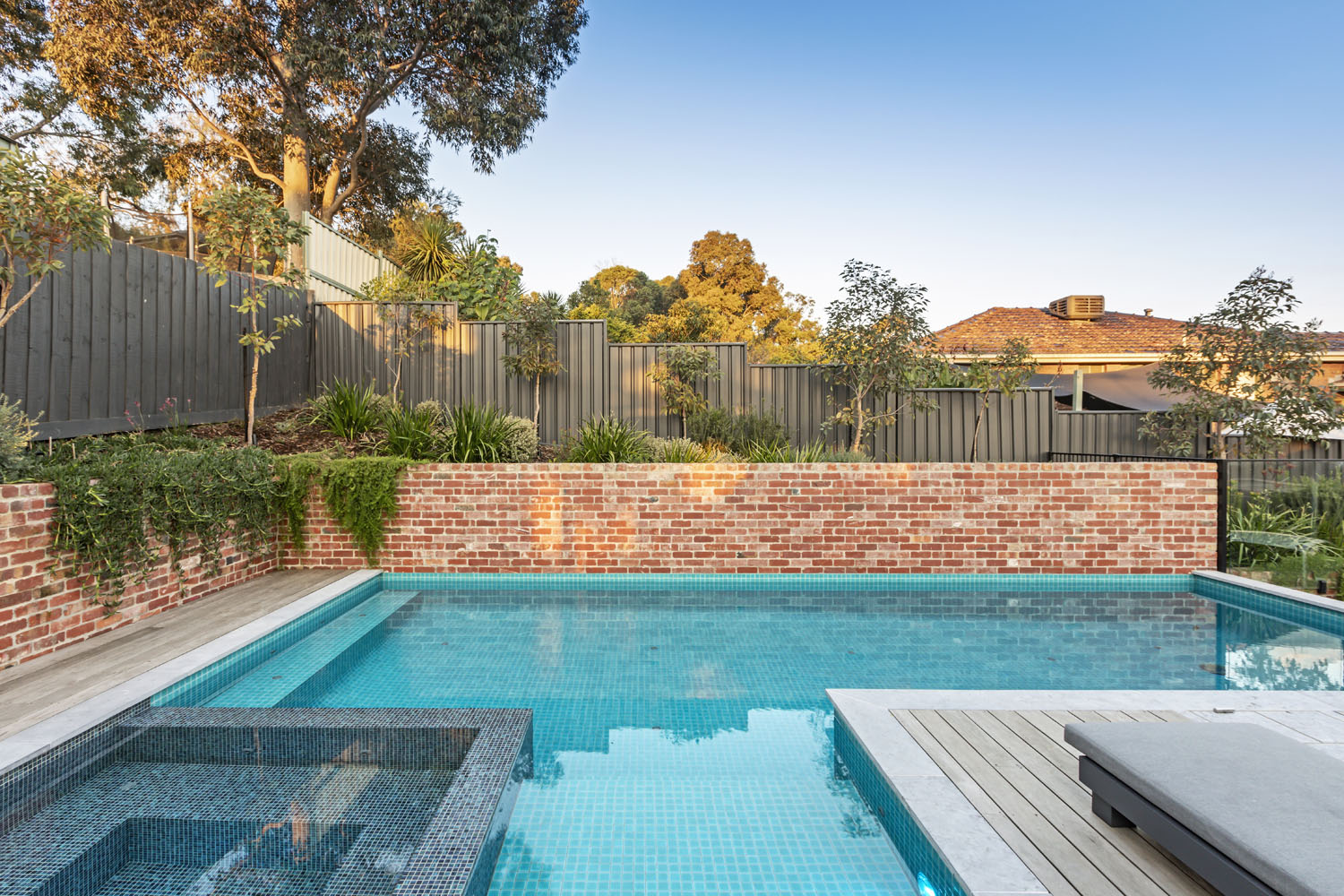
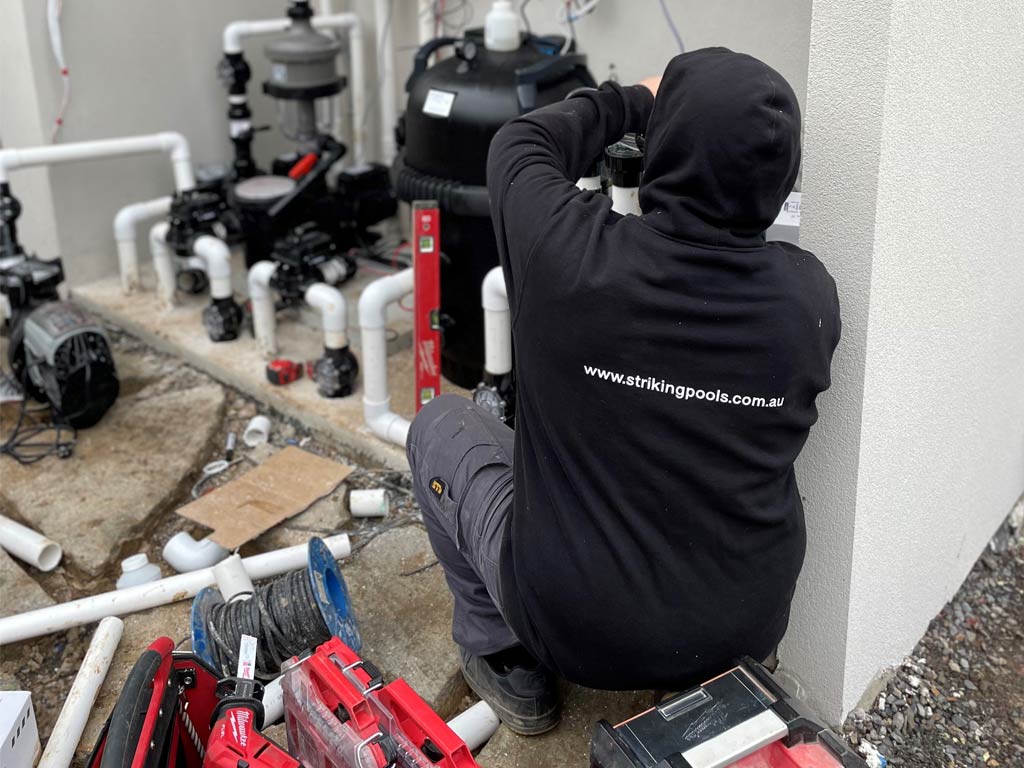
Creating an outdoor retreat centered on a custom concrete spa transforms ordinary backyard space into a year-round wellness and entertainment hub. This article explains what a bespoke concrete spa is, why it suits Melbourne’s varied climate, and how homeowners can plan, design, heat, and maintain a luxury spa that integrates with landscape architecture. You will learn practical design choices, realistic construction stages and timelines, current design trends, heating and hydrotherapy equipment options tailored to Melbourne, and maintenance strategies that protect structural finishes and lifecycle value.
Along the way, the guide offers actionable lists, comparison tables for heating and finishes, and clear next steps for homeowners considering a custom build. Targeted keywords such as ‘spa builders Melbourne’, ‘custom concrete spa design Melbourne’, ‘heated spa Melbourne’, and ‘hydrotherapy spa benefits Melbourne are woven through the guidance to help you find relevant ideas and prepare for informed conversations with builders and designers.
Why Choose Custom Concrete Spas in Melbourne for Your Outdoor Retreat?
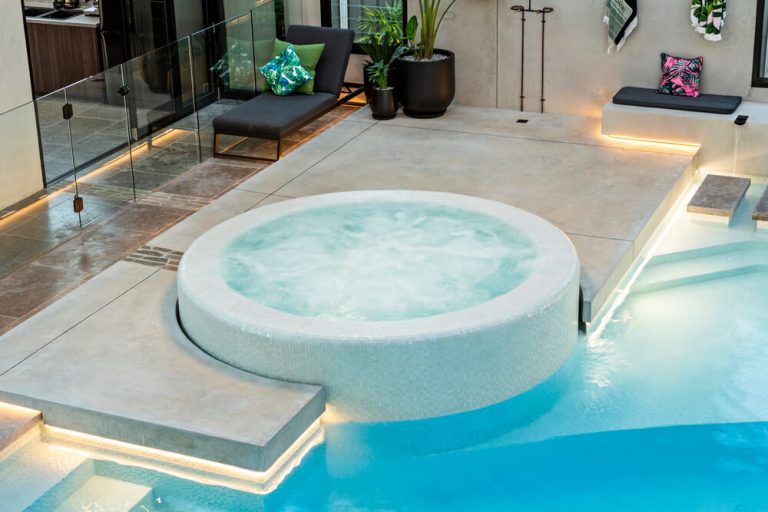
Custom concrete spas are engineered outdoor structures that provide durability, architectural flexibility, and strong thermal properties ideal for Melbourne’s seasonal range. Concrete’s structural strength makes it resistant to movement and long-term wear, which is particularly important for coastal or variable-climate sites, and its thermal mass helps stabilise water temperature when paired with efficient heating.
Homeowners benefit from limitless shape and finish choices, seamless integration with decking and landscaping, and the potential for high-end features like infinity edges or glass viewing windows. Understanding these advantages helps you evaluate whether a bespoke concrete spa is the right investment for your lifestyle and property uplift.
Concrete spas offer distinct homeowner benefits that contrast with off-the-shelf acrylic options. The solid shell made from reinforced concrete supports customised benches, variable depths, and integrated steps without the constraints of preformed shells. This structural flexibility enables tailored ergonomics and unique edge treatments that enhance privacy and sightlines. The following list summarises the key benefits and sets up the design integration discussion that follows.
- Durability and Longevity: Concrete shells resist deformation and can be resurfaced to maintain finishes.
- Customisation: Builders can create bespoke shapes, integrated seating, and architectural edges.
- Thermal Performance: The material’s thermal mass supports a stable water temperature with suitable heating.
- Design Integration: Concrete enables invisible transitions between spa, pool, decking, and landscaping.
These benefits justify exploring how concrete spa design enhances outdoor living, particularly where a seamless connection between architecture and garden is a priority.
What Are the Key Benefits of Concrete Spas for Melbourne Homes?
Concrete spas combine structural integrity with aesthetic versatility, giving homeowners a long-term asset rather than a temporary fixture. The reinforced shell, part of the spa’s meronomy, forms the durable core that supports waterproofing, plumbing, jets, and finishes, making repairs and upgrades straightforward over the spa’s lifecycle. Compared with acrylic windows or preformed units, concrete permits unique footprint solutions for narrow suburban lots, sloping sites, and coastal properties where bespoke coping and screening are essential.
These technical strengths translate to lifestyle benefits: superior acoustic damping, tailored hydrotherapy layouts, and finishes that match contemporary exterior palettes. Understanding how these elements fit together prepares you to prioritise features during early design conversations.
How Does Custom Concrete Spa Design Enhance Your Outdoor Living Space?
Custom concrete spa design enhances outdoor living by creating a cohesive relationship between form, materials, and surrounding landscape architecture. Designers use palette choices, integrated seating banks, and negative-edge details to draw sightlines towards gardens, pools, or indoor living areas, promoting indoor/outdoor flow. For constrained yards, designers can specify plunge-style concrete spas with built-in benches and efficient circulation systems to provide full hydrotherapy benefits without a large footprint.
Visual continuity through matching coping, natural stone, or timber interfaces ensures the spa reads as an intentional architectural element rather than an afterthought. These integration strategies also inform site preparation and plant selection to balance privacy, sun exposure, and year-round usability.
How Does the Spa Construction Process Work in Melbourne?
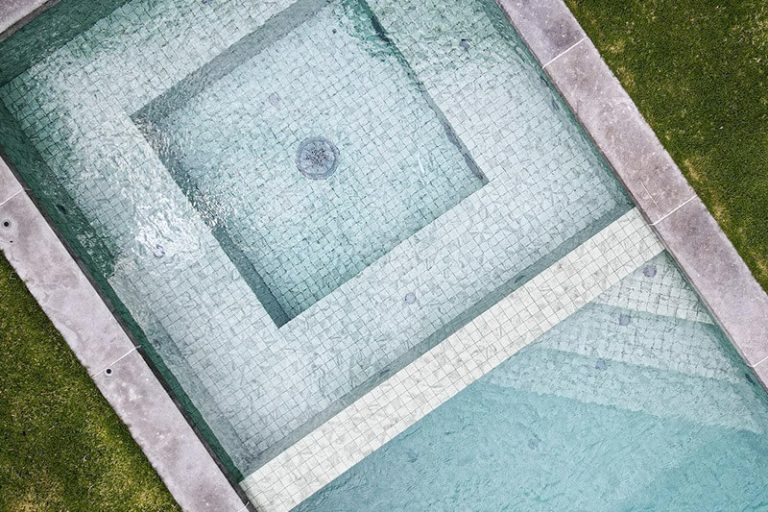
The spa construction process in Melbourne follows a sequence of discovery, design, approvals, construction, and commissioning; each stage produces specific deliverables and timelines. Initial site analysis defines constraints such as access, services, and landscape opportunities, which feed into concept design and 3D renderings that illustrate form, finishes, and equipment layouts.
Following approvals and engineering, construction progresses through excavation, concrete shell formation, plumbing and electrical rough-in, waterproofing, and final finishes before water commissioning and handover. Understanding this staged workflow helps homeowners plan budgets and scheduling expectations and clarifies when decisions about heating, hydrotherapy, and automation must be finalised.
Below is a practical numbered overview of the construction workflow and typical responsibilities so you can visualise the homeowner-builder handoffs.
- Initial Consultation and Site Assessment: Gather measurements, constraints, and homeowner goals.
- Concept Design and 3D Renderings: Translate briefs into spatial configurations and material palettes.
- Permits, Engineering and Approvals: Structural and plumbing engineering, followed by local approvals where required.
- Construction and Shell Works: Excavation, reinforcement, concrete pouring, and curing.
- Fit-Out, Systems Installation and Commissioning: Install plumbing, jets, heating, filtration, finishes, and test systems.
This stepwise view leads directly into a concise stage-duration table showing typical timelines and deliverables for each major phase of a custom spa project.
| Phase | Typical Duration | Deliverables |
| Initial Consultation & Site Analysis | 1–2 weeks | Site report, brief, scoped options |
| Concept Design & 3D Rendering | 2–4 weeks | Concept sketches, 3D visuals, preliminary estimate |
| Engineering & Approvals | 3–8 weeks | Structural plans, permit-ready docs |
| Construction (Shell & Services) | 4–10 weeks | Excavated shell, plumbing rough-in, and electrical runs |
| Fit-Out, Commissioning & Handover | 1–3 weeks | Finishes applied, system commissioning, owner handover |
Within this end-to-end process, specialist teams deliver distinct but coordinated contributions: design studios prepare visuals and specifications, landscape partners integrate planting and privacy strategies, construction teams form and finish the concrete shell, and maintenance providers ensure long-term performance.
For homeowners seeking an integrated delivery model, Striking Pools Pty Ltd represents a boutique, design-driven option that maps design, landscaping, construction, and maintenance into a single workflow. This integrated approach reduces handover friction and provides one pathway for consultation, quotation, and project delivery while keeping the homeowner’s design intent central.
What Are the Latest Trends in Luxury Spa Design and Outdoor Living in Melbourne?
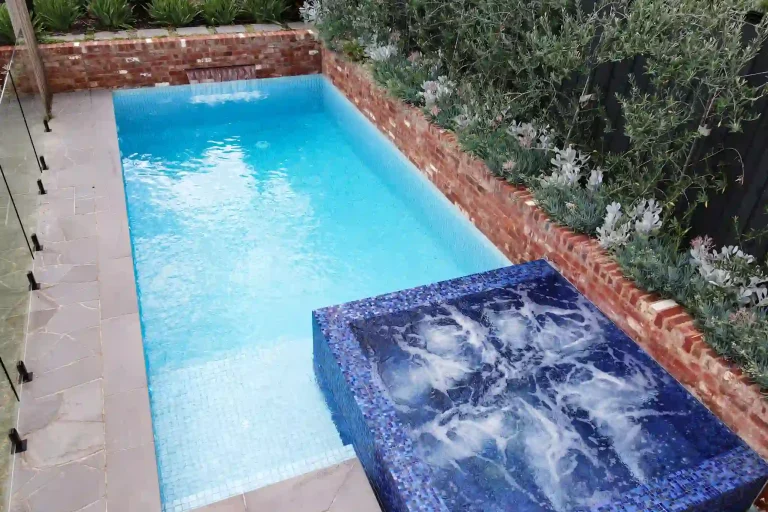
Luxury spa design in Melbourne for emphasising material longevity, privacy, smart automation, and softer natural palettes that blend concrete with timber and plantings. Designers are favouring finishes that age gracefully, muted earth tones, and textured render, paired with integrated lighting for evening ambience and acoustic planning to create secluded thermal experiences. Smart controls and pool automation are now common, enabling remote temperature management and filtration scheduling to support low-maintenance ownership. These trends reflect a focus on sustainability, user comfort, and seamless indoor/outdoor entertainment flow that complements contemporary Melbourne living.
Contemporary spa features are chosen for both visual impact and day-to-day practicality. Homeowners increasingly prioritise discreet automation, efficient heating systems that support year-round use, and hydrotherapy seating that doubles as social seating during gatherings. The list below highlights popular features and why they suit Melbourne lifestyles.
- Infinity or negative edges for visual connection and modern aesthetic.
- Integrated seating and ergonomic benches for hydrotherapy and socialising.
- Smart automation for scheduling heating and filtration to reduce ongoing management.
- Natural-toned finishes and timber interfaces for warmth and texture.
Which Spa Features Are Popular in Melbourne?
Popular spa features in Melbourne balance wellness, entertainment, and practicality for year-round use. Infinity edges and spillways provide elegant water movement while minimising visual bulk in compact sites, and ergonomic benches with targeted jet arrays support hydrotherapy benefits for recovery and relaxation.
Acoustic considerations, soft planting, and timber screens help contain sound and create a sheltered atmosphere, and integrated automation allows owners to preheat the spa before use. Feature selection should reflect a homeowner’s primary use case: therapeutic recovery, family relaxation, or entertaining. Selecting the right combination ensures the spa remains a frequently used extension of the home.
How Can You Integrate Your Spa Seamlessly with Outdoor Landscaping?
Seamless integration requires coordinated decisions about levels, materials, planting, and lighting that connect the spa to entertaining zones and indoor living areas. Designers commonly use shared coping materials, continuous decking, or planted berms to visually blend the spa with adjacent spaces.
For privacy in Melbourne yards, evergreen screening and layered planting create year-round seclusion without heavy structures, while low-voltage LED lighting and concealed step lights establish safe evening use and ambience. Effective integration also considers water run-off, access for maintenance, and service routes for equipment. Thoughtful integration raises the overall experience and preserves the design intent through practical landscape detailing.
Practical plant and hardscape pairings that work well with concrete spas include native-screening trees with soft understory planting, timber decking transitions to soften concrete edges, and textured stone copings for tactile contrast. These combinations support privacy, low maintenance, and cohesive aesthetic outcomes that perform well across Melbourne microclimates.
How Can You Customise Your Spa to Suit Your Space, Style, and Budget?
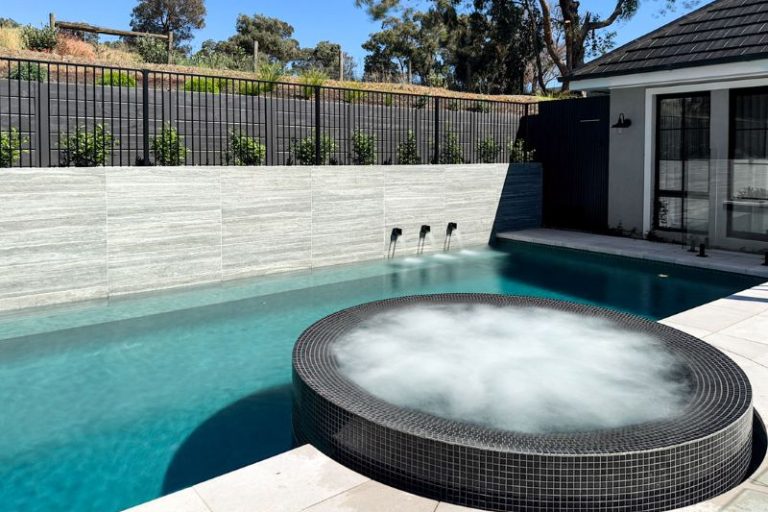
Customising a spa involves decisions about shape, size, finishes, features, and staged upgrades to align with site constraints and budget goals. Shapes range from compact plunge-style shells for small backyards to elongated spa pools for lap and therapeutic use; features like built-in benches, hydrotherapy jets, viewing windows, and infinity edges increase cost and complexity but also deliver targeted benefits.
Finishes range from polished pebblecrete-style textures to natural render, affect durability and visual tone, and choices about automation and heating determine long-term operating cost. A sensible approach is to prioritise core structural elements first and plan cosmetic or equipment upgrades in stages if budget management is a priority.
The table below compares common concrete finish choices, their durability attributes, and how they typically influence design effect and cost expectations.
| Finish Type | Durability | Typical Design Effect / Cost Influence |
| Polished aggregate render | High | Visible aggregate, modern texture; moderate to high cost |
| Smooth waterproof plaster | Medium-High | Clean contemporary look; moderate cost |
| Natural stone coping + micro-finish | Very High | Luxurious, tactile edge; higher cost |
| Tile or mosaic accents | Medium | Decorative focal points; variable cost depending on tiles |
This comparison helps homeowners understand trade-offs between aesthetics, longevity, and budget and informs discussions about staged upgrades versus all-at-once finishes.
To help visualise spatial solutions, here are common shape and feature pairings tailored to different yard types:
- Compact Backyard: Plunge spa with built-in bench and efficient heater.
- Narrow Lot: Rectangular plunge with integrated screening and decking.
- Large Coastal Block: Infinity-edge spa with expansive coping and landscape integration.
These scenario-based recommendations guide homeowners to match form and function with site realities and personal priorities. For those seeking bespoke design and build coordination, Striking Pools Pty Ltd offers customised portfolios and design-led consultations that showcase how finishes, shapes, and features translate into real projects; homeowners can request a consultation or quote to explore tailored options and view relevant portfolio examples.
What Shapes, Sizes, and Features Are Available for Custom Concrete Spas?
Custom concrete spas can be shaped to fit almost any spatial constraint, from circular compact spas to elongated spa pools combining lap and hydrotherapy zones. Designers commonly specify ergonomic benches, variable-depth zones, swim jets, viewing windows, and negative edges depending on intended use.
Each addition affects hydraulic requirements and construction sequencing, so early coordination with engineers is essential to ensure integrated plumbing and structural support. Selecting shapes and features that match how you’ll use the spa, daily short soaks versus therapeutic sessions, ensures the design meets lifestyle needs without unnecessary complexity.
How Do Budget and Space Influence Your Spa Design Choices?
Budget and space determine the trade-offs between structural scope, finish quality, and equipment sophistication. Tight budgets often benefit from prioritising a robust concrete shell and basic heating/filtration while deferring premium finishes or automation to later upgrades. Small spaces can achieve luxury outcomes through high-quality finishes and smart landscaping rather than larger footprints.
For larger budgets, integrated pool-and-spa systems, advanced hydrotherapy packages, and architectural edges become feasible. Clear staging plans help preserve design intent while spreading cost; for homeowners uncertain about scope, an initial consultation and staged quote can outline core versus optional items to control expenditure.
What Are the Best Spa Heating and Equipment Options for Melbourne Homes?
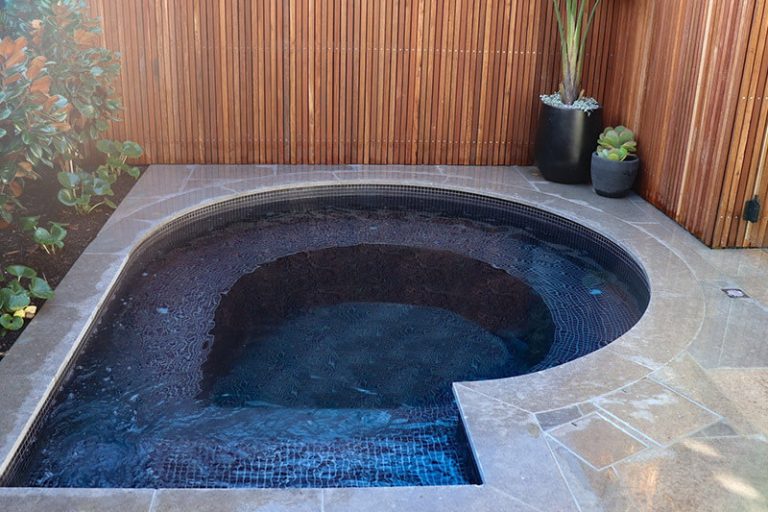
Efficient year-round spa use in Melbourne generally relies on a combination of heating systems, quality filtration, and automation to control operating costs and maintain water quality. Heat pumps provide efficient long-term operation for temperate climates, gas heaters deliver rapid temperature rise for intermittent use, and solar pre-heating can offset running costs when combined with a supplemental heat source.
Filtration systems and pool automation are essential meronyms of spa systems, enabling effective sanitation and scheduling that reduce manual maintenance. Equipment choices should reflect intended usage patterns, energy cost sensitivity, and site constraints such as roof orientation for solar.
The following table compares heating types across efficiency, operating cost, and best-use scenarios to help you decide which fits your Melbourne property and usage profile.
| Heating System | Efficiency / Operating Cost | Best Use in Melbourne |
| Heat Pump | High efficiency; lower ongoing cost | Year-round owners seeking efficient, steady heating |
| Gas Heater | Low efficiency; high fuel cost when used frequently | Owners needing rapid heat-up for occasional use |
| Solar Pre-Heating | Very low marginal cost; dependent on roof orientation | Supplement to reduce running costs when solar access is good |
After selecting heating, homeowners should consider automation and filtration upgrades to reduce hands-on maintenance and maintain consistent water chemistry.
Key equipment and performance considerations include robust filtration media, low-maintenance automation controllers, and hydrotherapy pump sizing aligned to jet arrays. Choosing correctly sized pumps and properly configured jet locations ensures therapeutic effectiveness while keeping noise and operating costs acceptable.
Which Heating Systems Provide Efficient Year-Round Spa Use?
Heat pumps are typically the most efficient option for sustained, year-round temperature control because they transfer ambient heat into the water using less electricity than direct-resistance heaters. Gas heaters are effective when owners need rapid warm-up for occasional use, but can have higher operating costs over time.
Solar pre-heating works best as a supplementary system where roof orientation and sunlight hours are favourable, and it reduces the load on auxiliary heaters. Each system has trade-offs in initial cost, installation complexity, and operating expense, so align your choice with anticipated frequency of use and energy priorities.
How Do Hydrotherapy Features Enhance Your Spa Experience?
Hydrotherapy features, jets, ergonomic seating, and targeted circulation zones translate mechanical action into therapeutic outcomes such as muscle relaxation, improved circulation, and recovery support. Jet configuration, adjustable flow, and seating ergonomics determine how effectively a spa targets the neck, shoulders, lower back, and legs.
Air blowers and variable-speed pumps add a softer, bubbling sensation useful for relaxation, while high-pressure jet arrays support deeper tissue massage. Designing hydrotherapy layouts around intended user profiles (athlete recovery, elderly mobility support, general relaxation) ensures the spa delivers measurable wellness benefits.
How Can You Maintain and Care for Your Custom Concrete Spa in Melbourne?
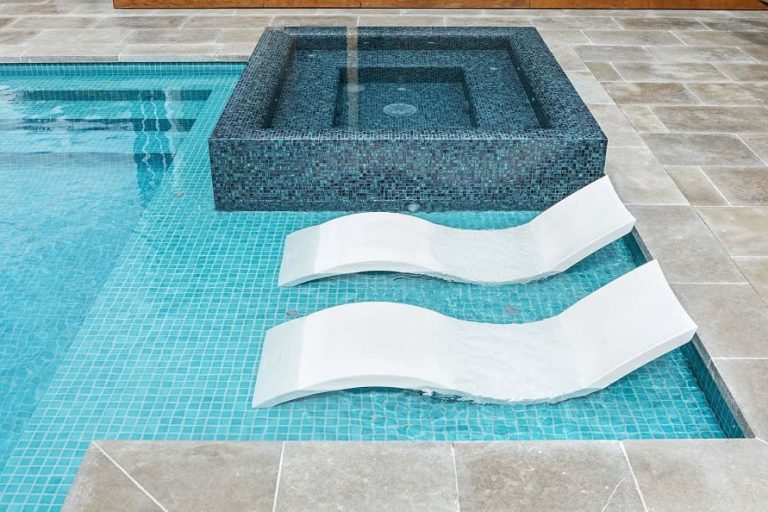
Maintaining a concrete spa requires routine chemical management, filtration care, surface inspections, and periodic professional servicing to protect the shell, finishes, and equipment. Regular monitoring of pH, sanitiser levels, and water clarity prevents corrosion of metal fittings and preserves surface finishes, while ensuring filters are backwashed or replaced on schedule and maintaining water quality.
Seasonal checks of waterproofing joints, coping interfaces, and equipment bays help catch small issues before they escalate into costly repairs. A combination of homeowner routine care and scheduled professional maintenance maximises longevity and reduces lifecycle costs.
The maintenance checklist below provides frequency-based actions homeowners should follow to keep a concrete spa in optimal condition.
-
- Weekly: Test and balance pH and sanitiser, check water clarity, and inspect visible fittings.
-
- Monthly: Clean or backwash filters, inspect jets and skimmers, and run full system checks.
-
- Annually: Professional inspection of shell, waterproofing, plumbing, and heat exchanger service.
Adhering to this routine preserves finish integrity and reduces the likelihood of structural or equipment failures.
What Are the Recommended Maintenance Practices for Concrete Spas?
Recommended practices include consistent chemical balancing, scheduled filtration maintenance, routine skimmer and pump basket cleaning, and visual inspections of coping and render joints. Concrete surfaces may require periodic resurfacing depending on finish type and exposure, and waterproofing membranes should be checked during annual service visits.
Using automation for timed filtration cycles reduces manual steps and helps maintain consistent water turnover. Maintaining detailed service logs and following manufacturer guidelines for pumps and heaters supports warranty compliance and performance longevity.
How Does Professional Spa Care Extend the Life of Your Outdoor Retreat?
Professional spa care provides preventative inspection, precise equipment servicing, and tailored maintenance that extends structural and mechanical life while reducing unexpected repair costs. Servicing teams can identify early signs of wear, such as hairline cracks in finishes, compromised seals, or pump inefficiencies, and recommend corrective action that is typically less costly than emergency repairs.
A professional maintenance plan also frees homeowners from routine tasks and helps preserve resale value by documenting ongoing care. For homeowners wanting a single coordinated solution, end-to-end providers that combine design, construction, and maintenance simplify lifecycle management and offer a consistent pathway for consultation and scheduled upkeep.
For those ready to discuss a bespoke concrete spa project, Striking Pools Pty Ltd provides a boutique, design-driven service model linking concept, landscape coordination, construction, and ongoing pool care into one workflow. Their integrated approach supports project continuity from initial consultation through handover and maintenance planning, and homeowners can request a consultation or quote to explore options specific to Melbourne, the Mornington Peninsula, or the Bellarine Peninsula.
For homeowners ready to take the next step, Striking Pools Pty Ltd offers tailored consultations and quotes that reflect a design-led, end-to-end delivery model. Their multidisciplinary workflow connects studio design, landscape coordination, construction, and maintenance to streamline decision points and preserve design intent across the project lifecycle. If you are considering a custom concrete spa, whether a compact plunge for a small backyard or an integrated pool-and-spa system, arranging a consultation will provide a project-specific scope, renderings, and a staged quote to align options with your budget and schedule. This final step turns the planning insights in this guide into an actionable pathway towards building your perfect outdoor retreat.