Getting a luxury concrete pool ready for Melbourne’s year-end holidays takes a little planning, steady chemistry control, and attention to the pool’s equipment so it stays guest-ready and keeps its long-term value. This guide walks you through practical pre-holiday checks, daily and weekly care during heavy use, post-holiday recovery, algae prevention and treatment, and a seasonal schedule tuned to Melbourne’s climate and high-end concrete finishes.
You’ll find exactly which tests to run, how to tweak circulation and filtration for parties, when to call a professional, and how automation or smart systems can ease the load. We focus on protecting custom finishes and complex equipment details that many basic guides miss, and provide clear checklists, step-by-step routines, and triggers for booking professional support to keep your pool looking sharp all season.
How to Prepare Your Luxury Concrete Pool for Year-End Holidays in Melbourne
Preparing a luxury concrete pool for year-end entertaining means stabilising water chemistry, checking equipment, and attending to surfaces so the pool copes with heavy bather loads and Melbourne’s changeable weather. The core of good preparation is balancing sanitizer and alkalinity while confirming circulation and filtration capacity. This prevents sudden chlorine demand and reduces the risk of staining on concrete finishes.
The result is a resilient, safe pool that only needs routine attention during events and avoids costly post-party recoveries. Start preparations 7–14 days before heavy use to settle chemistry and verify automation, and complete final safety checks 24–48 hours before guests arrive. The sections below break down essential pre-holiday tasks and how Melbourne’s weather affects them.
Essential Pre-Holiday Pool Care Steps
Pre-holiday care centres on stabilising the water, confirming equipment performance, and removing debris so the pool can handle increased use without water-quality failures. Begin with a full water test: adjust pH to 7.4–7.6, set total alkalinity in the usual 80–120 ppm range, and establish a safe starting free chlorine level for heavy use. Check cyanuric acid (stabiliser) for your chlorination method, typically 30–50 ppm for outdoor Melbourne pools.
Inspect skimmer baskets, clean or backwash filter, and confirm pump and automation timers are working; replace worn cartridges or schedule media cleaning if you see reduced flow. Finish with a thorough brush and vacuum of concrete surfaces to remove organic film that speeds chlorine consumption and can stain finishes. These steps stabilise the pool and set you up to adjust for Melbourne’s weather impacts.
Below is a short checklist useful for homeowners or professionals completing a pre-holiday tune-up.
- Run a full water test and correct pH, alkalinity, and chlorine within 7–14 days of your event.
- Empty skimmer baskets and service filters; confirm pump runtime and automation schedules.
- Brush concrete surfaces, vacuum debris, and check safety items like fencing and lighting.
These actions reduce the risk of cloudiness, algae, and equipment strain during heavy use, and provide a straightforward routine you can do yourself or hand to a maintenance technician.
| Task | Action | Recommended Timing |
| Water testing | Full chemical panel: pH, free chlorine, alkalinity, CYA | 7–14 days before the event; retest 24–48 hours prior |
| Filtration check | Clean skimmer baskets; backwash or service filter media | 7–14 days before the event; monitor flow daily |
| Pump & automation | Verify pump runtime, timer settings, and chlorinator cell operation | 7–14 days before; final check 24–48 hours prior |
Use this checklist to prioritise tasks before guests arrive and to brief a technician if you choose professional support.
How Melbourne’s Weather Affects Year-End Pool Preparation
Melbourne’s variable summer weather, sudden heat spikes, strong UV, and occasional storms directly influence chlorine demand, evaporation, and debris loads, so preparation needs to be adaptive. High temperatures speed chlorine breakdown and increase bather-related organics, so test more often as it warms and after heavy use. Evaporation lowers the water level, which can expose pump suction and reduce skimmer efficiency, so top up water and recheck circulation ahead of events.
Storms and wind can drop leaves and organic matter into the pool, increasing chlorine consumption and clogging filters. Secure surrounding landscaping, clear nearby gutters, and consider a quick filter check after significant weather. Accounting for these weather-driven effects helps you prioritise tasks and avoid chemistry swings that can harm concrete finishes or lead to costly recovery work.
These weather-aware adjustments feed into the daily and weekly routines recommended for the holidays.
Best Practices for Maintaining Your Pool During Melbourne’s Festive Season
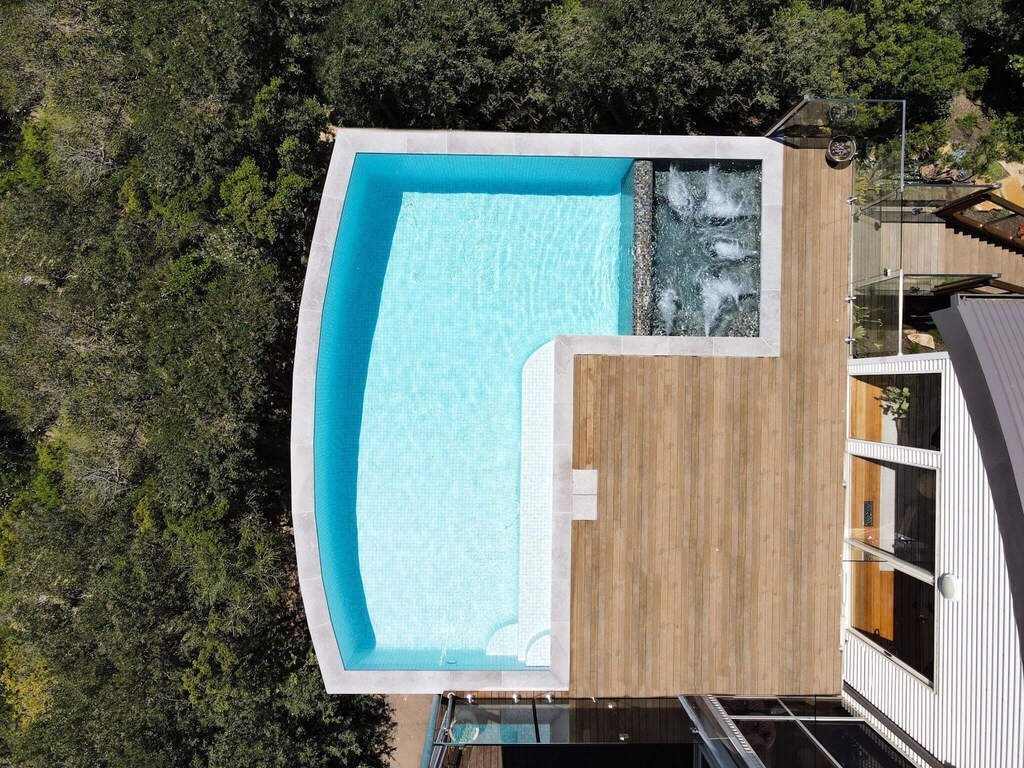
During the festive season, stick to frequent testing, steady circulation, and proactive debris control so heavy bather loads don’t overwhelm your chemicals or filtration. The approach is straightforward: remove contaminants often and maintain effective sanitation to prevent organic build-up that causes cloudiness and algae, while correct pump runtime and filter care keep water clear. Do daily visual checks and skimming, increase chemical testing during peak use, and extend pump runtime to ensure multiple turnovers each day.
Automated dosing and remote monitoring can shoulder much of the work, but manual intervention after parties or storms is still important to protect fine concrete finishes and integrated features. The following sections cover testing frequencies and the key chemicals and equipment to have on hand.
How Often to Clean and Test Your Pool Over the Holidays
When usage is high, bump up visual checks and light cleaning to daily and perform full chemical tests every 2–3 days, or immediately after large gatherings. Daily tasks should include skimming, emptying skimmer baskets, and confirming circulation; these prevent contaminants from breaking down into substances that require heavy shock dosing.
Test free chlorine and pH every 2–3 days as a baseline and test daily if the pool hosts frequent parties or children; retest after rain, strong wind, or a big bather load. Run a comprehensive panel weekly covering alkalinity and stabiliser to track trends and correct drift before it affects concrete finishes. If DIY measures don’t restore clarity within 48–72 hours, bring in a professional to avoid staining or equipment strain.
These frequency guidelines inform the chemicals and equipment you should keep ready for quick response.
Crucial Chemicals and Equipment for Holiday Pool Maintenance
A compact kit of essential chemicals and reliable tools keeps downtime short and swimming conditions safe during holiday spikes in use. Core chemicals include granular chlorine or stabilised tabs for routine dosing, a shock oxidiser for post-event cleanups, pH increaser and decreaser, alkalinity buffers, and a non-staining algaecide compatible with concrete finishes.
Essential equipment is a pump sized for multiple daily turnovers, a clean filter (sand, cartridge, or media that suits your system), functioning chlorinator cells for salt systems, and a quality test kit for free chlorine, pH, and alkalinity. Keep a net, skimmer pole, and a sturdy concrete brush on hand to manage organic film that drives chlorine demand. Having these items ready lets you respond quickly and avoid escalating to professional recovery.
Quick equipment-care reminders for skimmers, filters, and pumps:
- Increase pump runtime to achieve one to two extra turnovers per 24 hours during heavy use.
- Clean or backwash filters as required; replace cartridges if the low drops.
- Check chlorinator cells and automation controllers weekly to prevent dosing interruptions.
| Maintenance Task | Attribute | Recommended Frequency/Notes |
| Skimming & baskets | Debris removal | Daily during heavy use; empty baskets each day |
| Chemical testing | Free chlorine, pH | Every 2–3 days baseline; daily if heavy use |
| Filtration care | Backwash/cartridge clean | Weekly or when pressure rises; deep clean monthly |
How to Restore Your Concrete Pool After Heavy Holiday Use
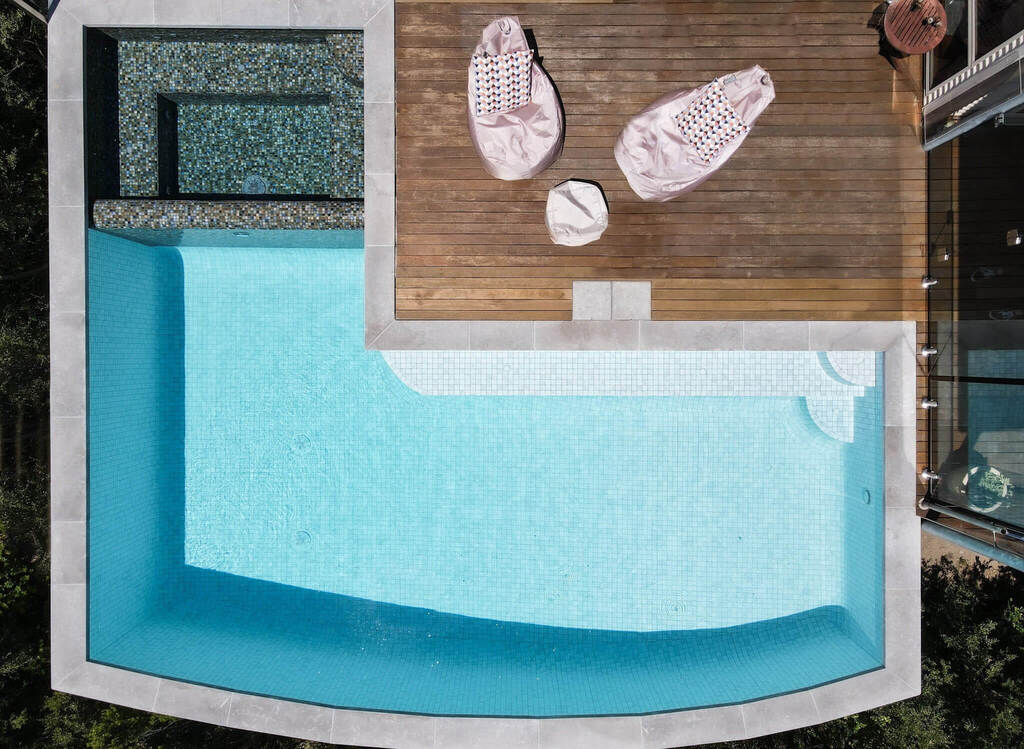
After intensive holiday use, restore a concrete pool by stabilising chemistry, deep-cleaning filtration, and treating any early algae or stains so the pool returns to long-term condition quickly. The process is: reduce organic load, oxidise contaminants with shock, then remove trapped debris through filter deep-cleaning and thorough brushing of surfaces. Start with a full water test, correct pH and alkalinity, then apply the shock dose for your pool volume; run filtration continuously for the recommended post-shock period and retest before reopening.
Addressing equipment strain and surface residue early prevents finish degradation on custom concrete pools and lowers the chance of expensive restoration later. The sections that follow outline the shock protocol and when to call in professionals for stubborn problems.
Steps for Effective Post-Holiday Pool Shock Treatments
An effective shock treatment follows a simple sequence: test and adjust, calculate the dose, apply, circulate, and retest to confirm safe sanitizer levels. First, measure free chlorine, pH, and alkalinity, and bring pH to the optimal 7.4–7.6 range to improve shock efficiency. Calculate shock dose by pool volume and contamination level, follow the manufacturer’s directions for your oxidiser.
Apply shock evenly in the evening or low-UV period, run filtration continuously for 12–24 hours depending on contamination, and brush concrete surfaces to dislodge organics. After the circulation period, retest and only reopen the pool once free chlorine and pH are in safe ranges. Keep swimmers out until sanitizer levels return to safe limits and always follow chemical handling instructions.
If water clarity doesn’t return within 48–72 hours, arrange professional intervention.
When to Schedule Professional Servicing After the Festive Period
Book professional servicing within 1–2 weeks after heavy holiday use if cloudiness, algae, reduced flow, unusual equipment noises, or visible staining persist despite DIY shock and filter care. Technicians can deep-clean filters, inspect pump seals and impellers, assess chlorinator performance, and apply targeted treatments like non-staining algaecide or stain removal that are best left to specialists.
For high-value custom concrete pools, professionals also check for early finish issues that could signal longer-term problems and recommend protective measures to preserve aesthetics. Many providers offer post-holiday recovery packages designed for high-usage events; these speed recovery and protect the pool’s value. Timely professional work prevents recurring issues caused by incomplete DIY remediation.
- Schedule a professional recovery if clarity isn’t restored within 48–72 hours.
- Book a deep filter clean when backwashing or cartridge cleaning doesn’t restore flow.
- Request professional stain or algae remediation for persistent surface problems.
Why Professional Pool Maintenance Matters for Luxury Concrete Pools in Melbourne
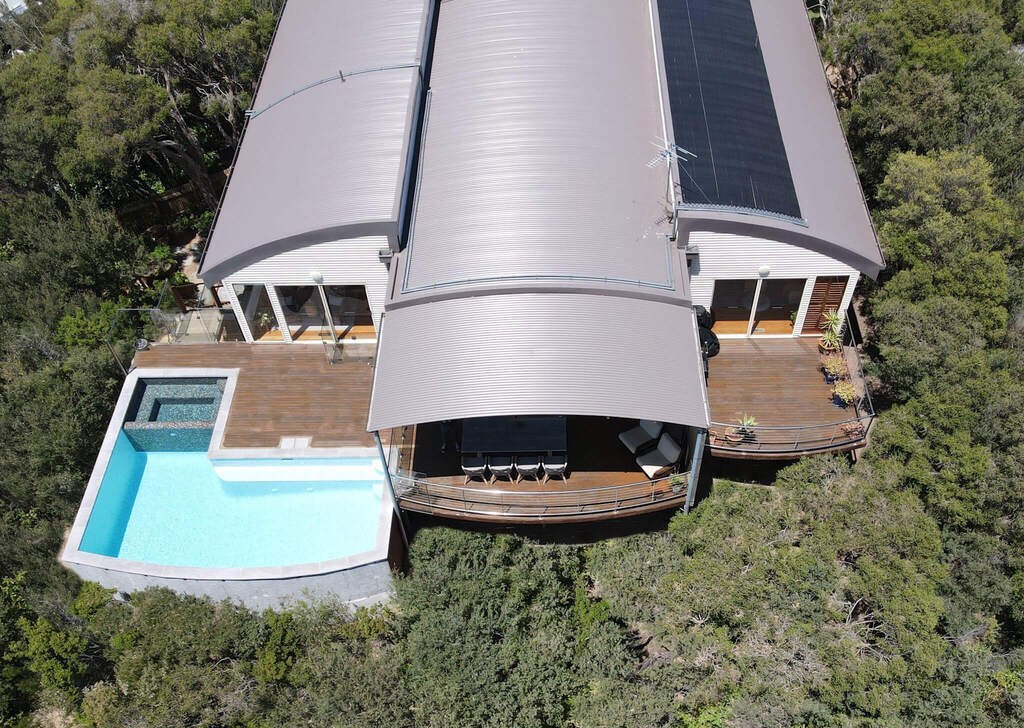
Professional maintenance is important for luxury concrete pools because specialised finishes, integrated water features, and advanced equipment need expert care to preserve appearance and system reliability. Concrete surfaces are more porous and reactive than many finishes, so precise chemical balance, correct brushing technique, and careful product selection prevent staining and surface wear. Professionals spot early equipment wear, tune automated controllers for energy efficiency, and use service-grade chemicals and remedies that protect high-value builds.
Investing in tailored maintenance reduces lifecycle costs by extending equipment life and safeguarding the finish that complements your home’s design. The following sections show how Striking Pools customises plans and why expert care benefits smart systems and complex equipment.
How Striking Pools Tailors Maintenance Plans for Custom Concrete Pools
Striking Pools’ Pool Care service creates customised maintenance plans based on each pool’s features, usage, and Melbourne’s climate to protect custom concrete finishes and integrated systems. Plans are matched to elements like infinity edges, water features, integrated spas, and automation so brushing schedules, chemical regimes, and servicing preserve architectural intent.
Typical plans include scheduled equipment inspections, chlorinator and cell servicing for salt systems, and seasonal adjustments to dosing and runtime to account for temperature-driven chlorine demand. For homeowners who want boutique service that follows on from a bespoke build, our plans provide continuity from construction through to long-term care.
Benefits of Expert Equipment Servicing and Smart Technology Care
Professional servicing of pumps, filters, chlorinators, and automation controllers improves energy efficiency, reduces unexpected failures, and keeps chemistry stable through precise calibration and preventive maintenance. Technicians optimise pump runtime and filtration cycles for local weather and bather load, lowering energy use while ensuring the extra turnovers needed during heavy use. Smart sensors and controllers still need periodic calibration and cell cleaning to avoid false alerts or dosing gaps; a professionally tuned system doses to actual pool conditions rather than conservative presets. The outcome is steadier water quality, fewer emergency call-outs, and longer equipment life, protecting your investment in a custom concrete pool and its integrated tech.
| Component | Potential Issue If Neglected | Professional Service Solution |
| Pump | Reduced flow, cavitation | Impeller inspection, seal replacement, flow tuning |
| Filter | Loss of clarity, high pressure | Deep clean, media replacement, pressure testing |
| Automation/Controller | Inaccurate dosing, missed alerts | Calibration, firmware check, sensor replacement |
Preventing and Treating Algae in Melbourne’s Summer Pools

Stopping and treating algae in Melbourne’s summer pools depends on proactive sanitation, good circulation, and treatments chosen for concrete finishes so outbreaks stay short-lived and non-staining. The principle is keeping a sanitizer residual and removing spores before they establish; regular brushing of concrete breaks biofilm that shelters algae and prevents filters from becoming reservoirs.
Prevention focuses on steady free chlorine, adequate pump runtime, and routine filter care; treatment steps up to shock dosing, non-staining algaecid, and intensified brushing and filtration when algae appear. Early detection protects finishes and avoids lengthy remediation. The sections below describe visual signs and the best product and filtration approaches for holiday care.
Signs of Algae Growth in Concrete Pools
Early algae signs include changes in water colour, green, black, or mustard slippery or slimy patches on walls and floors, more frequent filter blockages, and increased chlorine demand despite normal dosing. Green algae tints the water and settles in shaded or low-flow spots; black algae clings to porous concrete as dark patches that are harder to remove; mustard (yellow) algae appears as gritty particles that resist normal brushing. Spotting these signs early lets you act with shock and algaecide before more aggressive treatments are needed. Photographing suspicious areas helps professionals identify the species and recommend the right remediation.
Algaecides and Filtration Techniques That Work Best for Holiday Care
For concrete pools during busy periods, choose non-staining algaecides compatible with concrete finishes and combine chemical treatment with intensified filtration and manual brushing to remove colonies. Polyquat-type algaecides and shock oxidisers are effective first responses. Select products specifically labelled non-staining for concrete. Increase filter runtime and backwash or deep-clean cartridges after treatment to remove killed algae, and brush surfaces thoroughly to free stubborn cells.
For black algae, repeat treatments and consider professional remediation rather than aggressive DIY methods that could damage finishes. Combining correct chemicals with mechanical removal during peak use reduces recurrence and keeps the pool looking its best.
- Use non-staining algaecides suitable for concrete finishes as first-line treatments.
- Increase filter runtime and backwash or deep-clean cartridges immediately after treatment.
- Brush and vacuum treated areas to physically remove algal debris and restore clarity.
Ideal Seasonal Maintenance Schedule for Year-End Pool Care in Melbourne

A practical seasonal schedule breaks tasks into pre-holiday, during-holiday, and post-holiday phases so each stage gets the right attention to protect chemistry, finishes, and equipment in Melbourne’s conditions. The approach is timed interventions: stabilise chemistry and inspect equipment before events, increase checks and circulation during events, then shock and deep-clean afterwards to reverse accumulated organics.
Pre-holiday (7–14 days) focuses on full testing, filter servicing, and an optional professional tune-up; during the holidays, do daily skimming and more frequent testing; post-holiday work prioritises shock treatment, filter deep-clean, and professional recovery if needed. Calibrate automation pre-holiday and monitor remotely during events to reduce manual tasks. The following sections show who should do what and how automation helps.
How to Distribute Maintenance Tasks Before, During, and After Holidays
Split tasks so homeowners handle daily visual care and simple testing while professionals undertake technical tune-ups, deep-filter cleans, and diagnostics to protect finishes and equipment. Homeowner duties include daily skimming, topping up water, basic pH and chlorine spot checks, and prompt debris removal to prevent rapid chemistry drift. Professionals should do pre-holiday checks, chlorinator cell cleaning, filter media servicing, and post-holiday recovery work, like deep cleaning filters and stain remediation.
Schedule professional pre-holiday checks 7–14 days before events and consider post-holiday recovery within 7–14 days after heavy use to catch latent issues. Clear role separation reduces risk and uses professional expertise where it matters most.
How Automated Pool Systems Simplify Seasonal Maintenance
Automation simplifies seasonal work by scheduling circulation, dosing chemicals accurately, and sending alerts, cutting down manual effort and human error during busy periods. Typical automation features include programmable pump runtimes, automated chemical dosing via sensors or pumps, remote monitoring of pH and sanitizer, and event-based schedules that increase turnover on high-use days. These systems reduce chemistry drift and trigger early alerts when parameters move, but they still need professional calibration and cell/sensor maintenance to stay reliable.
Combining automation with scheduled professional checks gives the convenience of remote control while keeping the precision needed to protect concrete finishes and integrated equipment.
If you want a tailored plan, Striking Pools can prepare bespoke seasonal maintenance packages and provide a quote through our Pool Care service. Request a consultation to align maintenance with your pool’s features and holiday schedule.
- Automate increased pump runtime and dosing for high-use days to maintain turnover and residual sanitizer.
- Use remote alerts to spot chemistry drift quickly and act before issues escalate.
- Schedule professional calibration of sensors and controllers at least seasonally to ensure accuracy.
| Season Phase | Primary Actions | Responsibility |
| Pre-holiday (7–14 days) | Full water test, filter/service, automation check | Homeowner + professional tune-up option |
| During holiday | Daily skimming, frequent testing, and increased circulation | Homeowner with automated support |
| Post-holiday (0–14 days) | Shock treatment, filter deep-clean, stain check | Homeowner actions + professional recovery if needed |
This timeline helps plan who does what and when a Pool Care package is advisable to protect both investment and appearance.
We’ve covered focused, practical steps to prepare, maintain, and restore luxury concrete pools through Melbourne’s year-end holidays. Regular testing, proactive filtration, and targeted professional help will protect finishes and equipment, while automation and customised maintenance plans make ownership simpler during busy seasons.
Conclusion
Keeping a luxury concrete pool in top condition over Melbourne’s year-end holidays gives you a sparkling, inviting space for guests and protects your investment. Follow the preparation, maintenance, and restoration steps above for confidence that your pool is performing at its best. For professional, tailored support, contact Striking Pools. Our Pool Care plans are designed to match your pool’s needs and keep your oasis pristine all season.