Building a custom concrete pool is more than signing a contract; it’s an investment that can reveal costs beyond the initial quote. Many Melbourne homeowners are caught off guard by unexpected expenses and the cost of a pool build that emerges during construction. Knowing the common variables up front helps you plan smarter, avoid surprises, and make choices that protect your budget and vision. This article breaks down the usual hidden costs. From site works and design choices to regulations, material quality, and ongoing upkeep, so you can approach your project with clarity and confidence.
Which hidden costs most affect a custom concrete pool?
Several often-overlooked items can push a pool budget higher than the starting estimate. These typically come from ground conditions, design decisions, and council or compliance requirements that aren’t included in a base quote. Recognising these variables early gives you the chance to budget appropriately and make trade-offs before construction starts.
How do soil conditions and site access change pricing?
Soil type and site access are major cost drivers. Tough, rocky or unstable soils need more excavation, specialised equipment and engineering, all of which raise labour and plant costs. Tight access or constrained sites can add time and complexity, too. A professional site assessment is essential to produce a realistic cost projection before work begins.
What design choices add to the cost of a custom pool?
Design details directly affect materials and labour. Complex shapes, built-in water features, bespoke finishes, and integrated landscaping require extra skill and time, which increases the price. Discuss priorities with your contractor so you can balance the look you want with what fits your budget.
Which permits and regulations shape pool projects in Melbourne?
Working through Melbourne’s regulatory requirements is a core part of any pool build. Failing to account for permits and compliance can delay the job and add unexpected fees, so factor approvals into your timeline and budget from the start.
What permits are commonly required in Melbourne, and what do they cost?
In Melbourne, pool projects typically require building permits and must meet pool safety rules under the Building Act 1993 and related regulations. Permit costs vary with project complexity and council fees. Make sure permit estimates are included in your overall budget so there are no unwelcome surprises later.
How do council compliance processes affect your schedule?
Council approvals and inspections can extend the project timeline if documentation is incomplete or changes are needed. Delays in approvals often translate into higher labour and holding costs. Prepare paperwork carefully and stay in regular contact with your contractor to help keep the project on track.
How do material choices and construction quality influence luxury pool outcomes?
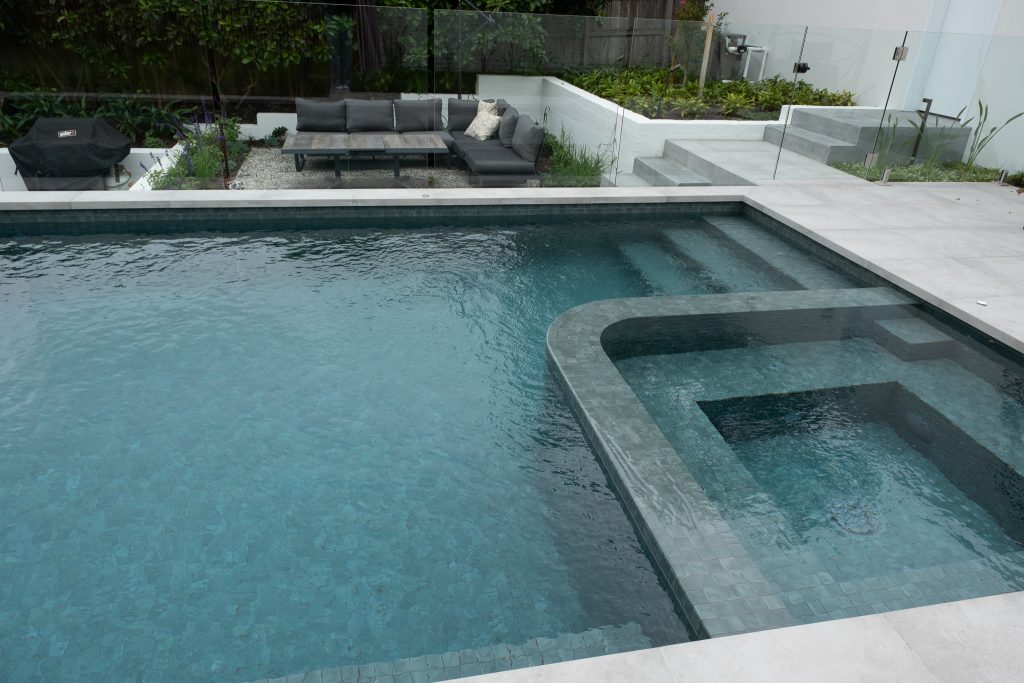
The materials and construction methods you choose determine how the pool performs and how it will look years from now. Investing in quality now can reduce repair and replacement costs later and preserve the aesthetic you wanted.
Why is concrete a preferred choice for durability and customisation?
Concrete offers unmatched flexibility in shape and finish, so it’s a popular choice for custom and luxury pools. Properly built concrete shells are robust and long-lasting, making them a sound long-term investment when installed by experienced contractors.
Which luxury features most affect spa and pool installation costs?
Luxury upgrades, premium tiling, heating systems, automated controls, feature jets, and advanced lighting all add to installation expenses. Decide which features will deliver the most enjoyment and resale value so you can prioritise spending where it matters most.
What ongoing maintenance and operating costs should owners expect?
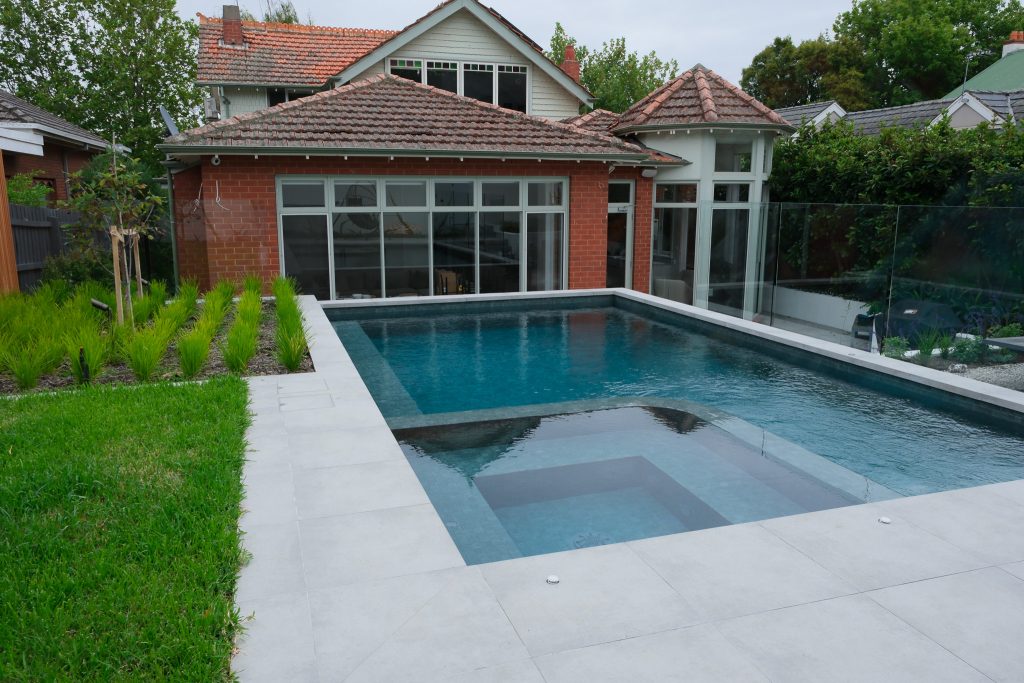
Running and caring for a pool involves regular costs that owners should include in their long-term budget. These recurring expenses can be significant over the life of the pool.
How do maintenance frequency and material quality change ongoing costs?
Higher-quality materials and finishes typically need less frequent intervention, which lowers long-term maintenance costs. Conversely, cheaper finishes can require more upkeep and earlier replacement. Set up a maintenance plan from day one to protect your investment and avoid larger repairs later.
What operational costs are often missed in initial budgets?
Beyond build costs, expect ongoing charges for utilities, insurance, safety compliance, and periodic servicing of pumps and filters. Factoring these into your cash-flow planning will give you a clearer picture of true ownership costs.
How does clear cost communication improve your pool decisions?
Open, detailed cost conversations with your contractor reduce surprises and support better decision-making. When everyone understands potential variables, you can make informed choices and keep the project within your financial parameters.
What hidden variables are commonly left out of initial quotes?
Common omissions include additional site preparation, specialised engineering, bespoke design elements, and permit or inspection fees. Ask for a line-by-line estimate and clarifications on what’s excluded so you can compare quotes on an apples-to-apples basis.
What can Melbourne luxury pool case studies teach about transparency?
Real project examples show how upfront communication and thorough planning lead to smoother builds and happier clients. Reviewing completed projects highlights typical cost traps and shows how clear scopes and contingency planning prevent disputes.
| Cost Factor | Description | Estimated Cost |
| Site Preparation | Excavation and grading based on soil conditions | $2,000 – $6,000 |
| Design Complexity | Additional costs for intricate designs and features | $1,500 – $10,000 |
| Permits | Building and safety permits required by local councils | $500 – $2,500 |
This table outlines the main cost drivers that commonly push a pool budget beyond the base quote. Understanding each item helps you plan realistically and make choices that match your priorities and finances.
Conclusion
Awareness of the hidden costs tied to custom concrete pools is essential for protecting your investment. By considering site works, design complexity, regulatory requirements, and long-term maintenance up front, you’ll make better decisions and enjoy a smoother build. Clear, ongoing conversations with your contractor are the best way to manage expectations and costs.
Ready to take the next step? Explore our resources and connect with trusted local professionals to start turning your pool plan into reality.